

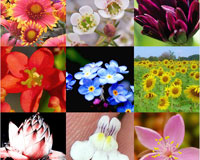
 Many great designers derive their inspiration from nature, and we can find tons of examples showcasing this type of inspiration online.
Looking at the world we live in and finding a way to integrate it into a design requires seeing nature from a new and very different perspective.
Here are 17 great techniques for creating original, beautiful, nature-inspired design.
If you know of any other ways to draw inspiration from nature, please share them with us by leaving your tips and comments at the end of this article.
1. Take a Closer Look
Beautiful landscape drawings remind us of the beauty of nature, but landscapes often look much better in real life than in print or web design. The first tip we'll discuss is to stop taking nature for granted day in and day out. Instead, take a closer look.
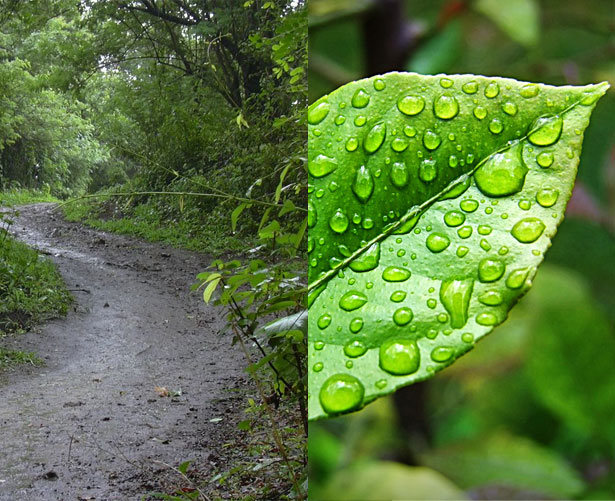
On the left image below is a desolate road, winding down a path filled with foliage after a heavy rainfall. On the left is a much more interesting photo. It's a close-up of raindrops running off of a leaf.
While both are beautiful images, the scene on the left is more ordinary, while the one on the right offers a unique glimpse of nature and an innovative idea from which to draw inspiration for design.
Pay special attention to all of the details on the wet leaf. A good designer will notice sparkles running off the raindrops, the texture of the water and leaves, the warping effect of the droplets and the unique shapes, patterns and color variations generated by this tiny sliver of nature.
2. Focus on Variety in a Specific Category
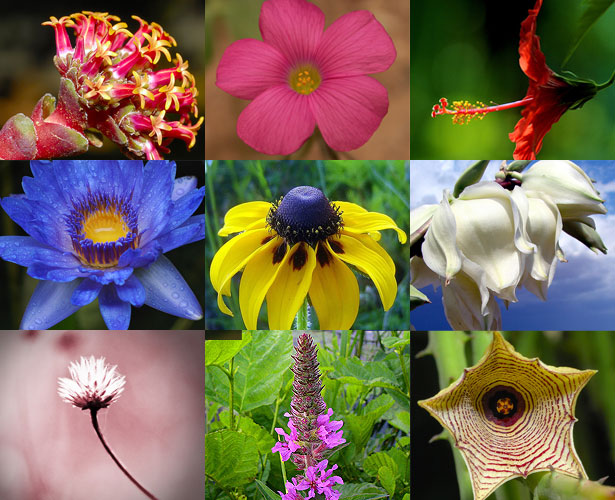
Think of a flower. Just about all of us will visualize the most common flower pattern: four or five petals, yellow round center and petals colored pink, purple or something similar. Making generalizations helps us organize information and can be useful at times, but the instinct is not always a designer's friend.
Some designers, if asked to draw flowers, would make most of them pretty much the same, without variety. To remedy this, pick something from nature, and then look at what it has to offer.
Only nine different species of flowers are shown below, but that's still eight more than we might think of first.
Find ideas, shapes, textures and colors from a different source of the subject you are working with, or combine them with the source you know.
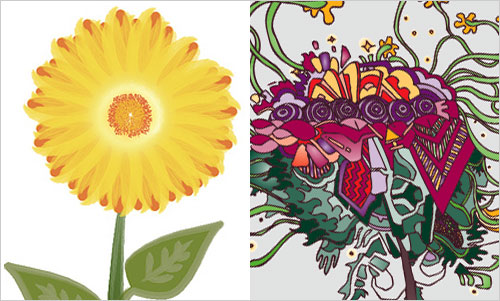
The images below are both pretty, but which is more interesting? The one on the right is a combination of flower shapes, colors and textures, put together in a flower-inspired drawing. On the left, we have a simple illustration of a yellow flower.
No matter what the subject, consider all of the rich details and variety that nature has to offer.
3. Stop Studying Plants
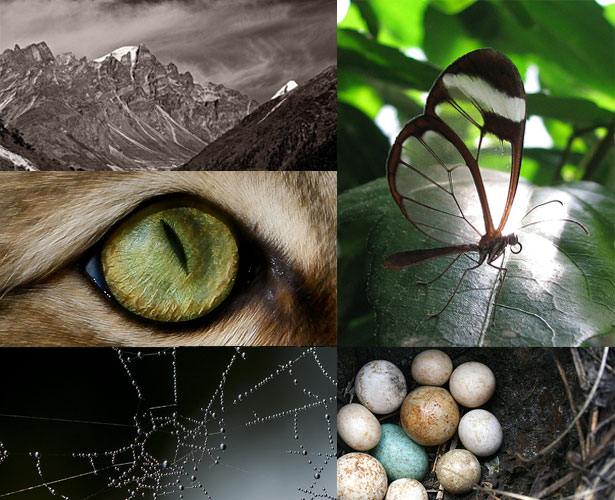
Green is beautiful, but nature offers so much more. Stop looking at trees, green landscapes, flowers and other foliage for a moment, and turn instead to natural subjects that are unrelated to plant life.
Too many designs focus on foliage of some kind. Considering other parts of nature is a great way to come up with original yet still nature-inspired designs.
Rock formations can be stunning, and animal traits can also be inspiring. Again, look at texture, shape, patterns and more. Just put down that leaf.
4. Explore Different Perspectives
When viewing nature from unusual or different perspectives, designers can produce more original and visually interesting results.
Get close to the ground, look up or approach something sideways to discover an entirely new view.
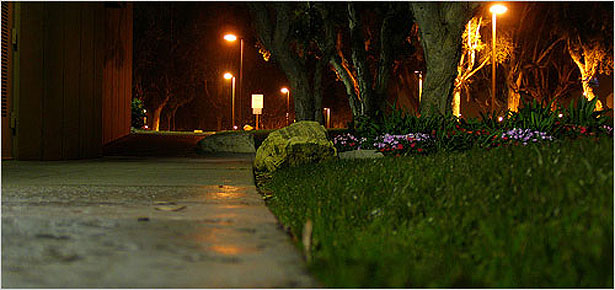
In the image below, the photographer takes an ant's-eye view. Half of the clutter above the ground is cut out, and more attention is paid to details of objects on the ground.
The perspective has a completely different effect than one of the same area at a normal height would have.
Viewing nature in this way can help us focus on aspects we might otherwise miss. Instead of looking at the trees, pay attention to a patch of grass, a flower bed or even an unusually positioned rock at the edge of the sidewalk.
While trees would be the main focus in a photo taken at a regular height, they turn into the backdrop with this fresh new perspective.
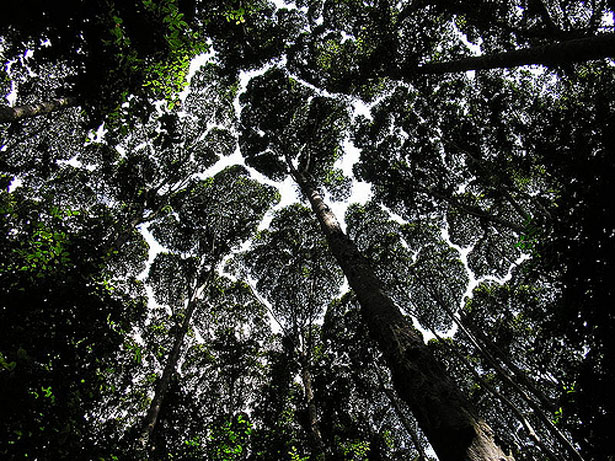
The image below captures what we see when we look up rather than straight ahead. With this amazing perspective, we can draw inspiration from the maze-like pattern that the canopy makes or the intricate details of the branches, leaves and tall tree trunks.
The possibilities are endless when changing perspective, and the technique is a great way to add originality and flair to any design.
5. Think of Nature in Motion
Which is more interesting, a dandelion or a dandelion blowing in the wind? Motion can make nature surprisingly more interesting.
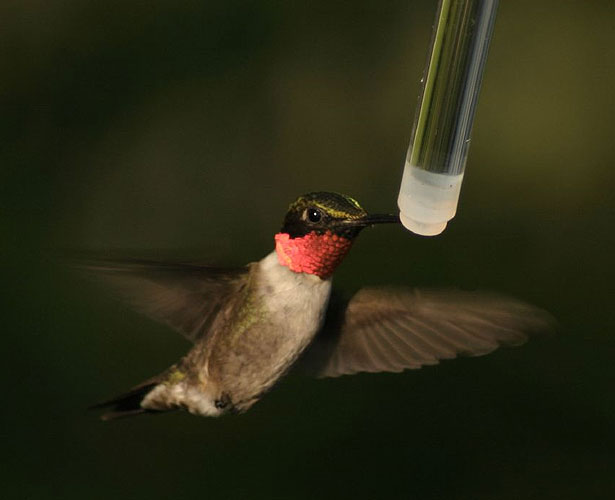
Below is a photograph of a hummingbird, which has one of the fastest wing beat rates. The photo captures the bird's color in great detail but not the incredible speed of its beating wings.
As a result, we see an interesting effect, with some texture and pattern blurred in the background.
If we were to draw a hummingbird at rest, we would potentially miss out on a lot of design effects. In the image above, we can draw inspiration from the texture of the bird's feathers, the position of its feet and the pattern in the background.
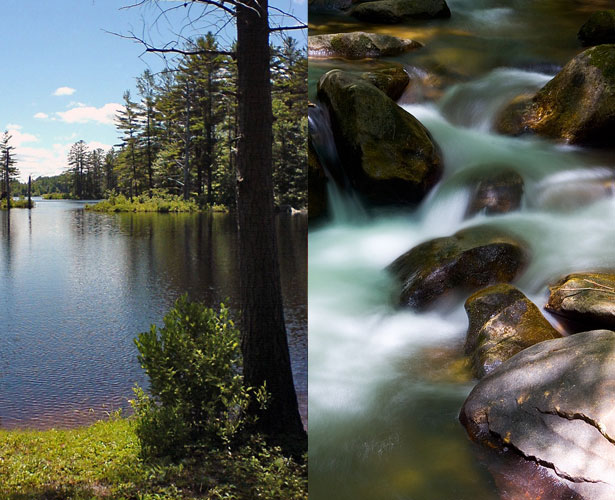
Viewing non-living elements in motion is also important. On the left is a lake landscape; on the right, the close-up of water in motion provides interesting shapes and textures.
If you're missing a spark of inspiration, consider adding the element of motion.
6. Combine Opposites
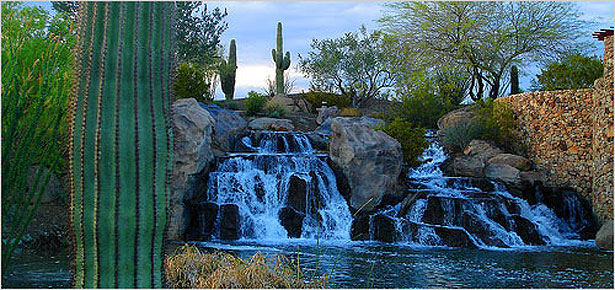
The image below is of a human-made waterfall in a desert-like area, probably something we don't see every day.
While finding inspiration in this visual combination of opposites in nature may be difficult, it is a good opportunity to tap into the power of our imaginations.
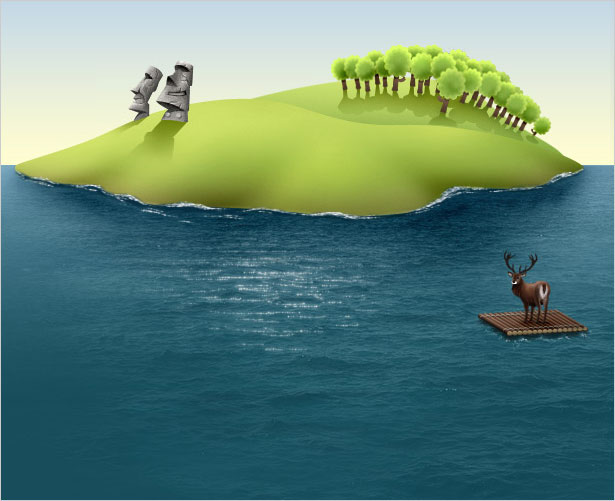
Think of two examples of any element -- whether animal, plant or landscape -- from two dramatically different parts of the world, and try to combine them into a single workable composition. The results may be surprisingly good and will no doubt be at least unique and creative.
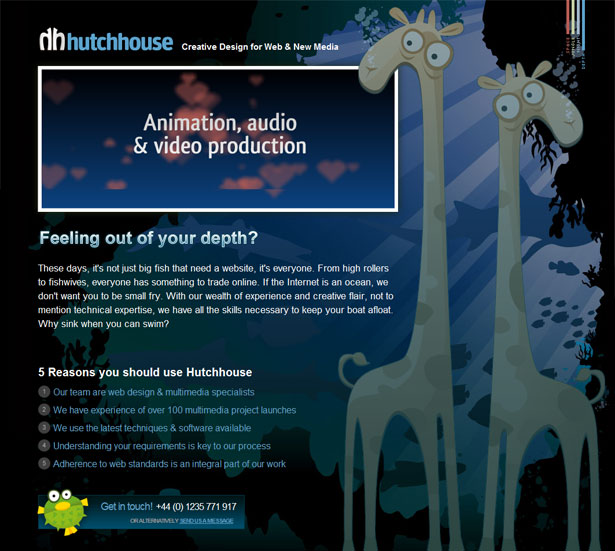
Below are a few examples of this exercise in practice. This is probably one of the quirkier techniques here and helps to create designs that are fun and original.
Try experimenting with different moods and lighting effects, too; these kinds of designs don't always have to be illustrated or light-hearted.
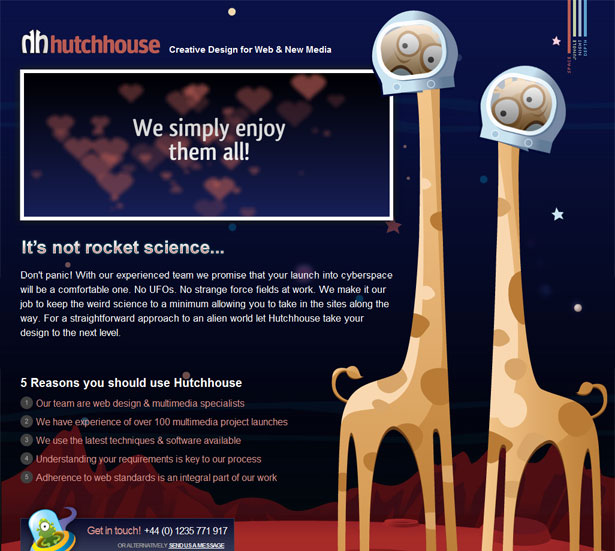
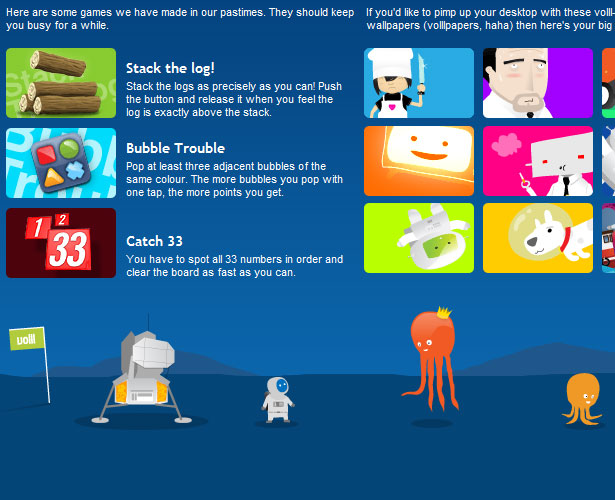
7. Spice up the Color
Flowers don't have to be pink, and leaves don't have to be green. As designers, we have total freedom to create, so why not take risks?
Well-known graphic designer Nick La creates mostly abstract illustrations based on elements found in nature. He uses these elements to work out shape and texture, but then he starts from a blank canvas when coloring the illustration.
The wallpaper design below is of an abstract peacock, but you can see that the color palette isn't limited to the shimmery greens and blues of actual peacocks.

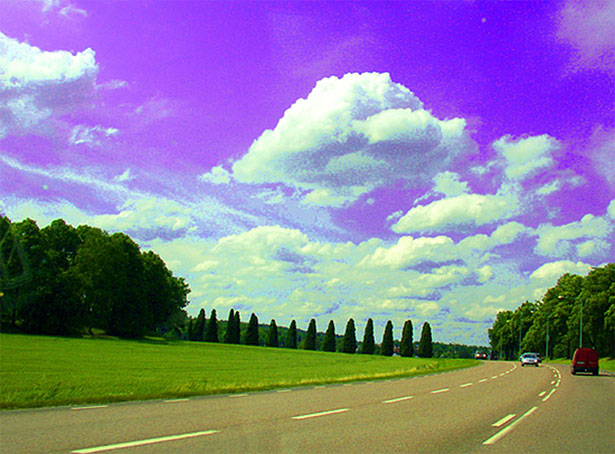
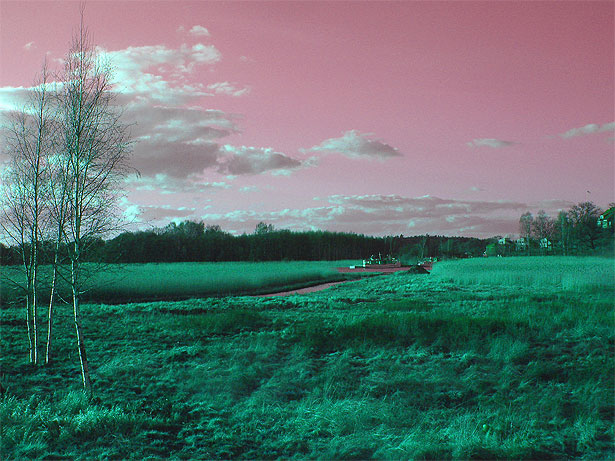
By re-coloring these two landscapes below, the designer has created an entirely different mood and added much more interest to what were ordinary scenes.
These are just two simple examples of what re-coloring can do. Creating something that reconfigures what our brains expect to see is a great way to get an audience's attention.
8. Focus Only on Texture
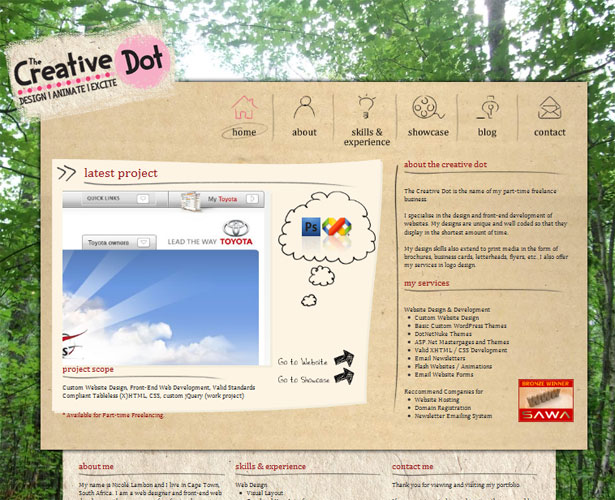
The main focus of a design doesn't have to be an object in nature. It could be a texture or textures. Take a look at the three examples below.
Creative Dot implements this idea quite well, using the forest image as contrast to the foreground. This adds the element of the outdoors but also centers the user's attention on the logo design and content.
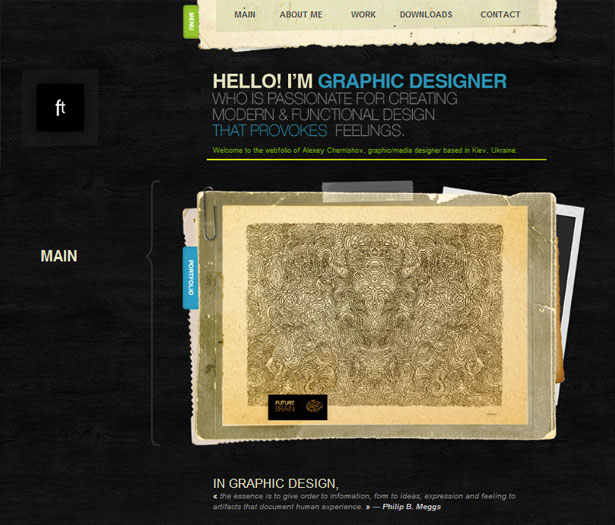
The coolest thing about the design below is the dark wooden background. A plain, dark gray background may not have been enough to set this design apart, but the wooden background turns this into a beautiful nature-inspired design.
One of the best examples of nature-inspired texture in design is found at Simple Flame. Simple lighting effects make the leather background "pop" in the design. Also, the wooden texture draws your attention to the video widget.
Designers often think of texture as something to add to nature-inspired designs, not something that can stand on its own. But with so many options available, you could easily base an entire design on it alone.
Try using wood, leather, foliage, ice, water or even a mixture of a few textures to anchor one of your designs.

9. Focus Only on Shape
Focusing on shapes in nature can also help designer rethink what they see. Leave out texture and color and look at nature only through its outlines. The three examples below show this, with texture and color as secondary elements.
A tree, a bird and some grass are the only objects in this design, and only the bird has some slight texture.
The other two are essentially silhouettes. Showing only shapes found in nature can make for a simple yet aesthetically appealing design.

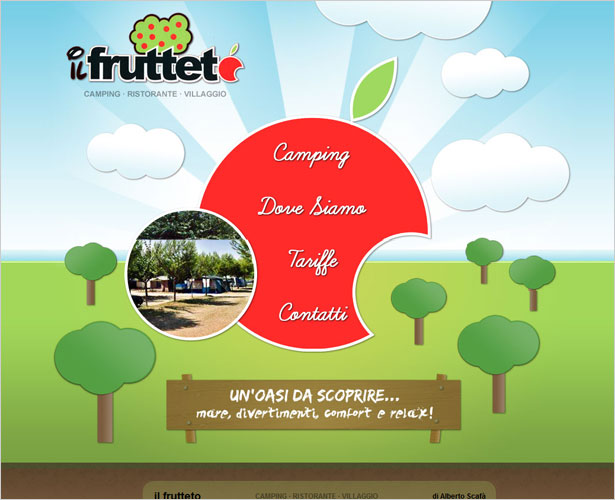
The design below also features shapes from nature but with a little more detail. The designer has also used interesting shapes to add creative details to the clouds, birds and other elements.
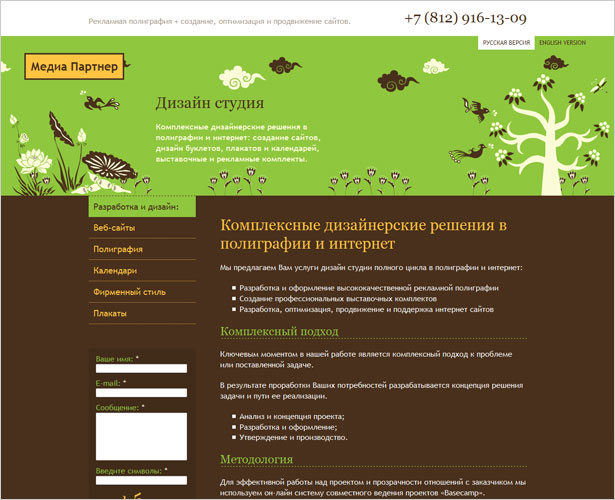
This stunning Web 2.0 design relies on retro nature-based graphics. The design is fun, lightweight, professional and a mixture of only the most basic shapes and simple gradients.
Broad shapes and no texture can make for a minimal, attractive design.
As one approach, you could conceive a design by thinking only of the shapes, and then fill them in with texture and color for more detail later.
10. Think How You Want the End User to Feel
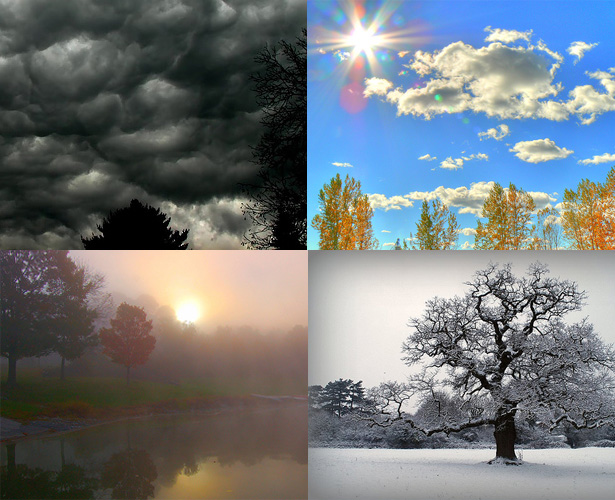
Because Mother Nature has so many moods, we designers should use more than one of them. We generally fall back on moods in nature that evoke carefree and happy emotions. But what about storms, wild animals and gloomy rainy days?
Four types of weather are featured below, from a clear day to a foggy autumn evening. Each image sets a different mood.
To put this technique into action, decide on the emotion that your design should evoke and then use the colors, textures and icons from nature that best represent that mood.
11. Use Nature-Inspired Culture
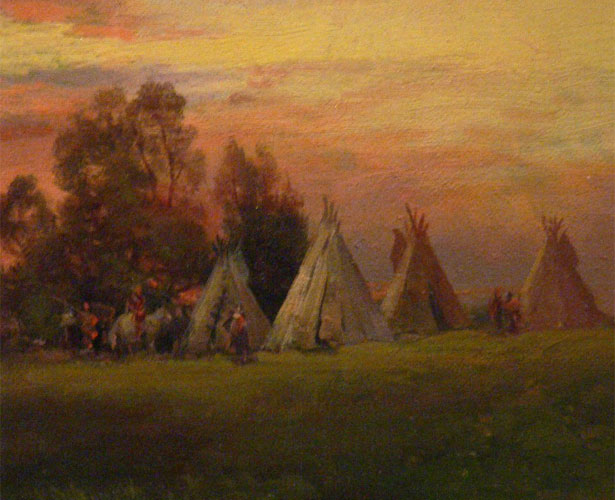
Many cultures integrate nature into their art, symbols and traditions.
For example, in Native American culture, everything from homes to religion, artwork, clothing and tools are made from and inspired by nature. Look for the same sort of inspiration in your own design work.
12. Illustrate a Scene from Scratch
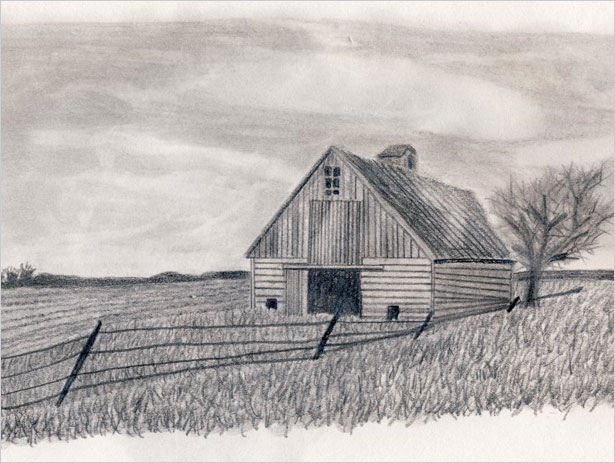
Each designer's imagination is unique, so tap into your individuality by drawing what you see when you envision a landscape. It may be surprisingly close to home or contain subtle traits of your personality.
After drawing it, use the illustration in a design, and try altering it with texture, shape and color.
13. Create an Abstract Composite of Photographs
Another practice is to gather photographs of a variety of things from nature -- landscapes, plants, animals, textures, mountains, valleys, etc. -- and merge them into one design or composite landscape.
Chris Leavins combines various elements of nature into one digital composition. In the backdrop of the one above, he mashes up city landscape, mountain-like structures and vine shapes. Its main focus, though, is an octopus-inspired creature, water, birds and a tree-like structure.

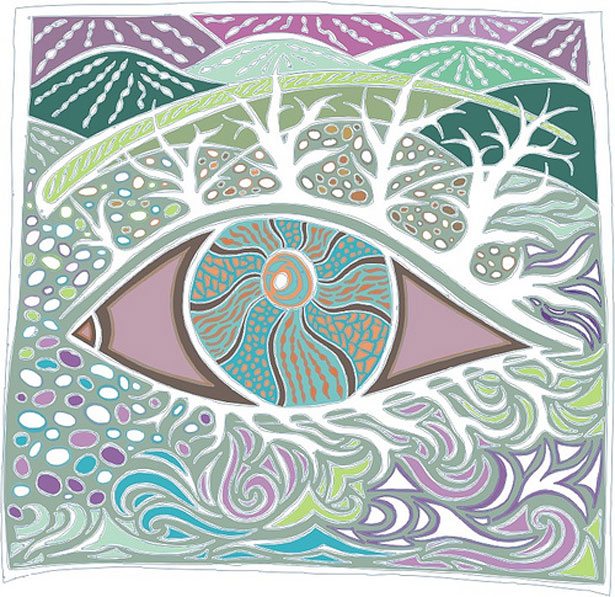
The illustration below is even more abstract, with an eye as the focus, surrounded by shapes of mountains, hills, pebbles, water, plants and more.
Abstract methods undoubtedly lead to original compositions, and taking advantage of all the variety that nature has to offer is easy.
14. Use your Imagination
Think of a natural environment you've never visited before, and then use your imagination as an indirect route to create a design based on that place. Researching new scenery can be an entertaining and educating process that leads to inspiration.
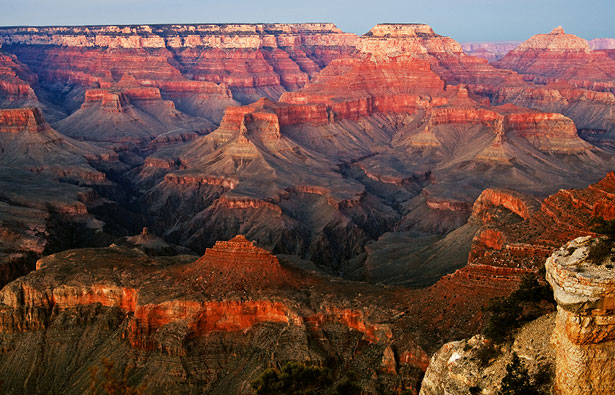
For example, if you have never been to the Grand Canyon, it could be the blank slate you're looking for.
We know it's in a hot desert and has stunning heights, orange and burnt hues, etc. We can use this knowledge and exploit the blank canvas before us to create an original design.
15. Reflect on a Place You Love
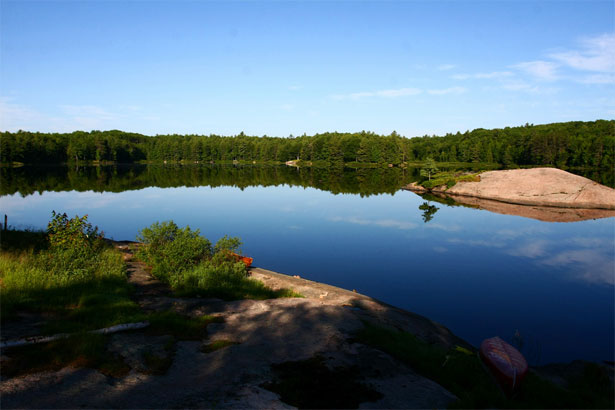
Whether the place you love most is close to home or across the globe, it is sure to elicit strong emotions in you that you can draw on for ideas.
Perhaps it's the site of your most memorable vacation or a favorite childhood spot.
Use elements in nature to create a design that evokes the emotions you associate with that familiar place.
16. Zoom Out
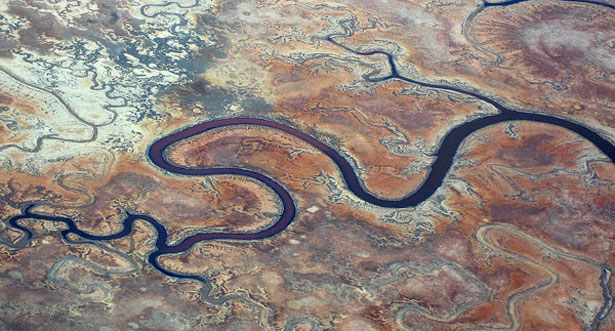
Try zooming out and viewing nature from a distance to get a fresh perspective. A broader view of the world may be just what you need for some inspiration.
Taking a broader look at your subject matter can be inspiring because of all the variety to be found in a single landscape. For example, the earth looks completely different in orbit than it does on the ground, even though it's the same object.
17. Create an Imaginary World
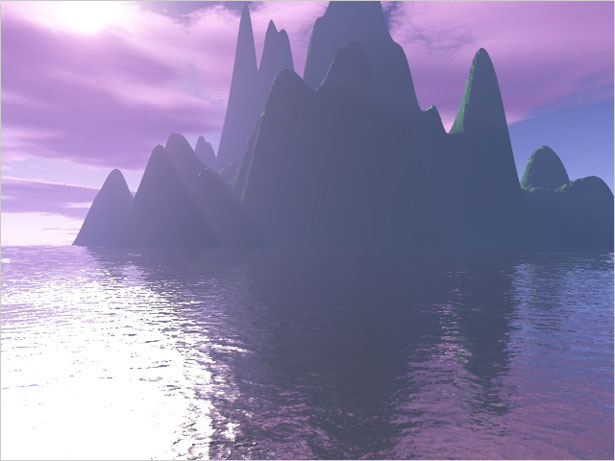
Think of the future or an alternate reality and the natural elements in it. It doesn't have to be of a sci-fi expedition, but imagining an alternate reality can really get the creative juices flowing.
Designs like this can even tell a story and are among the most enjoyable compositions to create. For these designs, bring in nature as usual, but let your imagination really take the reins.
Written exclusively for WDD by Kayla Knight.
How do you get design inspiration from nature? Please share your comments and ideas about how you use nature for inspiration in your design process.
WDD Staff


Read Next

20 Best New Websites, April 2024

Exciting New Tools for Designers, April 2024

14 Top UX Tools for Designers in 2024

What Negative Effects Does a Bad Website Design Have On My Business?

10+ Best Resources & Tools for Web Designers (2024 update)

3 Essential Design Trends, April 2024

How to Plan Your First Successful Website

15 Best New Fonts, March 2024

LimeWire Developer APIs Herald a New Era of AI Integration

20 Best New Websites, March 2024

Exciting New Tools for Designers, March 2024
