

• 27 Aug

    The last two years have been the most exciting of my life.

    I made the jump to freelance work, which has given me the freedom to work when and however much I want.

    The transition from a regular job to freelancing was not easy, but I managed it.

    This post is meant to help you bypass difficulties and maximize your productivity as you start your own freelancing career.

    That being said, here are 20 tips to help you become a successful freelancer.

    1. Don’t give up your day job!

    Your day job is your most important asset when switching from regular work to freelancing.

    You need to be able to support yourself on this new career path, so start off slowly and work in the evenings or on your lunch breaks.

    If you are a student, working around your studies can be quite lucrative; you can fill in those free periods with money-making design work!


    2. Put an amazing portfolio together

    In the freelance business, having a solid portfolio is important.

    While many employers will accept your résumé, your portfolio is the bit of you that stands out. It shows employers what you can do and what you have done. Make it as creative as possible.

    Many people worry that they have no work to show potential clients. If that is the case, try redesigning your favorite website or rebrand your favorite company and mark it as a case study.

    While this work has not been commissioned, it does show off your skill, which will inspire much more confidence in your client if they find out they are your first client.


    3. Do not buy any new gear

    This is a common pitfall for many freelancers.

    They think they need the best equipment to do the best job. Yes, tools help, but how you use them is what matters.

    As tempting as it is, you do not need the latest Macbook Pro; you can do the job just as well on your four-year-old PC.

    Why spend money when you want to make it? Of course, some things are essential, such as Photoshop, but try to get a student version or a discount.

    You do not want to let money slip through your fingers when you don’t have to.


    4. Build your website

    Building your website before looking for work is also important.

    The first thing potential clients will do is look at your website. Your website conveys your attitude towards your work and your personality, so make sure it reflects how you want to be seen.

    Choose the words on your website carefully: do you want to be seen as formal or lighthearted? Also, do you want to emphasize form over function? All of this has to be conveyed in your design.


    5. Set up a new bank account

    Keep your personal and work accounts separate.

    You do not want to give out your personal bank details, nor do you want to attach a PayPal business account to your personal account.

    While you may be able to get by at first using your personal account, you will run into problems down the road with taxes and client payments. In any case, at least you’ll be able to keep your personal PayPal account, for which you won’t be taxed for transactions!


    6. Don’t be afraid to ask for help

    As with all things, starting off freelancing can be tough, but the freelance community is very friendly.

    While no one will build your website for you, people may help you with a snippet of code or give you feedback on your design.

    By asking for advice, you also make friends, which in time could lead to work.


    7. Go back to school

    While you may think you know everything, you certainly don’t.

    Spend some time on tutorial websites or invest in taking a course to extend your knowledge. Any skill you can add to your toolkit will be valuable later in life.

    Learning a completely new skill, such as video editing and conversion, might also be a good idea.

    The web has become much more video-centric, so having skill in the field will enable you to offer more to clients, creating more profit for you.


    8. Set up a home office

    Make sure you are able to concentrate on work and work alone.

    A space dedicated to work will help you get it done more quickly. The office does not have to be a room in your home; it could be outdoors or your local coffee shop: any place that does not have too many distractions and is well lit and inspires you to work.

    Working outside in the fresh air can help keep you alert and sustain your concentration.


    9. Get an online Skype number

    One of my biggest problems starting out was the huge phone bills I racked up talking to clients and team members.

    If you face the same problem, you could either swallow the higher phone bills or get an online Skype number. Skype works through your computer, so working while talking on the phone is easy.

    But you can also get a landline number with Skype, and clients might be reassured by the stability that this landline brings. Subscribing to a Skype plan can be especially helpful with international clients.


    10. Blitz social media and promote your brand

    Knowing how to market yourself is your first step towards full-time freelancing.

    Keep updating your Twitter account and to regularly interact with online communities: clients can be found anywhere.

    Remember, though, anything you put online is not private, so make sure you show the face that you want other people to see. Be sure to share anything you find interesting, and re-tweet anything you find relevant.

    Clients may find you through a recommendation or piece of content of yours on a social media website, so keep updating and become a “sharer.”


    11. Be patient

    Now that everything is set up, your number one rule is to be patient.

    Work will not come flooding in immediately. Take it slow, and take on jobs as they come in.

    Learning to be patient with clients also helps you communicate with them.

    Some will be rather aggravating to work with, and you have to learn how to remain calm and communicate with them at a level that satisfies both of you.


    12. Promote your services with content

    The entire Internet is driven by content. Valuable free content goes a long way.

    Whether a free WordPress theme or a well-recorded screencast, publishing content is a great way to get your name out there.

    It will also promote your status as an expert and give potential clients something to play with and a chance to see how you work.


    13. How to deal with job boards

    I would advise that you stay away from job boards.

    They seem to be overridden these days with people offering services for negligible compensation.

    You have to make a profit. But if you decide to look for work on job boards, make sure the job comes with a steady salary and not a one-time payment.

    Local jobs are better because developing a healthy relationship with local clients is easier and can lead to more work.


    14. Finding jobs elsewhere

    To find jobs elsewhere, you must network. I found this to be the hardest part: you have to get out and pitch to businesses.

    Offering your services to friends and family may get you by for a while, but they will likely start asking for favorable treatment or rates, and when you are starting off, you cannot afford to be doing work for a steal.

    Upscale bars and city lunch spots are great places to meet people. Start talking to people while standing in queues, or go to social events in big cities. People love to show off what they do, so why shouldn’t you do the same?


    15. Find your niche

    Most of my work came from finding a niche market and exploiting it.

    For example, if you have made a website for a soon-to-be-released novel, the project could serve as a template for websites that promote novels.

    If the website is efficient and profitable, you could ask other authors or publishing companies if they would like to invest in your tried and true method.


    16. Creating steady work and revenue

    The problem with freelancing is that you have no job security whatsoever. So you need to create security.

    Instead of quoting a set price to a new client, try proposing a manageable monthly rate that includes website promotion, constant SEO monitoring and website maintenance.

    Not only will this generate revenue over time, the client may ask you for more services if they see it is working out well, at which point you can increase the rate. This supplementary revenue is less likely to materialize if you stick to one-time payments.


    17. Dealing with bad clients

    You will inevitably come across bad clients.

    Bad clients either want to control too much of what you do or communicate poorly.

    If you land one, you have to step back and think whether the client is worth the trouble and whether they will give you repeat business. If not, then cut them loose.

    You will feel bad when you let a bad client go the first time, but remember that you have freed up your time to take on another better client.


    18. Referrals and testimonials

    Once you have worked with some happy clients, ask them how they felt about the process and whether you handled it well and what you could have done better.

    While the responses may be useful as testimonials, you will also be showing clients that you are trying to improve your services, which may encourage them to tell others about their experience, leading to yet more clients for you.


    19. Invest in invoicing and client management software
    As you gain more clients over time, you will need to know how to manage them.

    Signing up for invoicing software to automate recurring monthly invoices will be helpful.

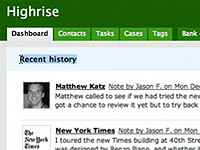
    Also consider subscribing to something like 37 Signals’ Highrise software, or at least record in a document who your customers are, what work you have done for them and any details about them you may need to refer to in future.

    This will save you from administrative work down the road and also serve as a good trigger for your memory.


    20. Quit your day job and have fun!

    If you have followed these steps, you should have sustainable income and be doing what you love as a profession.

    The purpose of freelancing is to have time to go where you want to go and do what you want to do. Make sure you enjoy your new lifestyle by traveling and getting out a bit more.

    You can work from anywhere in the world, so take advantage of that!


    Bonus tip: Never race to the bottom

    Once you have given a quote to a prospective client, avoid getting into a degrading fight for the job.

    Do not devalue your work. You may choose to offer a discount in certain situations, but if you do it repeatedly, employers might think you were overcharging the first time and assume your rates are flexible.

    Once you give a quote, stick to it!


    This article was written by Ollie Judge exclusively for Webdesigner Depot. Ollie is CEO and founder of Ether Corporation, a unique freelance agency launching next month. Be sure to follow him in Twitter and on his personal blog at olliejudge.com

    Have you made the transition to freelancing? Please share your personal experiences and tips with us!


  • 69 Comments »

     
    #1
    Mike Smith
    August 27th, 2009 at 7:13 am

    Great advice here. I retweeted it. Freelancers and potential freelancers should definitely read this article.


    #2
    Melody
    August 27th, 2009 at 7:16 am

    Definitely great advice, reminds of the stuff that I need to get back to work and do! :P


    #3
    Andy Sowards
    August 27th, 2009 at 7:18 am

    Fantastic tips!

    I agree with mostly everything, especially the don’t buy new equiptment thing.

    When I first started almost a year ago, I still had my 4 year old gateway PC that I bought when I first started college, it got me through the starting phases, and It made me enough money to splurge on a shiny new Macbook pro :-D . (that pc has since died, which is why im glad I got the MBP! RIP PC!)

    So do with what you have until you can afford what you need/want. It all works out :)

    Keep up the good work guys!

    -Andy Sowards


    #4
    Matt Magi
    August 27th, 2009 at 7:24 am

    Awesome tips, thanks.


    #5
    Vijay Joshi
    August 27th, 2009 at 7:56 am

    This is a really useful post. Thank you for the tips. I have just started freelancing and I hope to work keeping these guidelines in mind.

    cheers!!!


    #6
    Dee
    August 27th, 2009 at 8:05 am

    ooh.. essential reading for anyone aspiring to go down the freelancing route in basically any field. I’ll have to start working me way through that list :)

    -dee-


    #7
    Mary Yeager
    August 27th, 2009 at 8:06 am

    These are some excellent tips that you are sharing with us all. And hopefully soon, you’ll be able to add a tip for Google Voice that will allow people that work out of their homes freelancing will have a separate business number where people can reach them and if they are out of the ‘office’, they can choose to receive that number over the cell phone or let it go to voicemail where GV transcribes it, which is most helpful for those voicemails that are hard to understand.


    #8
    J Henderson
    August 27th, 2009 at 8:50 am

    I love this article and it basically highlights what I have been doing now. The skype idea didnt hit me just yet but working for an office supply store in the electronics department, I am noticing alot of people asking about skype. So this will help increase business meetings in a new way without even having to physically meet the client!! I wonder if there’s a way to receive faxes online as well!! Thanks for the post it was quite helpful!!!


    #9
    aldrin
    August 27th, 2009 at 8:52 am

    this is very great, I’ve work as home based web developer for almost 4 years, though It’s not easy to start as you can’t easily find someone to ask if you have tight deadline projects. But later on, you will be more resourceful….


    #10
    Most Interesting Ideas
    August 27th, 2009 at 9:24 am

    One more thing: “Make client happy” :)

     
    1 Reply
     
    #11
    Louis
    August 27th, 2009 at 9:43 am

    Good list. I would adivse against recommending educational versions of software, because technically, if I remember correctly, you are not allowed to use those for business purposes. Not that Adobe is cracking down on that… But I would suggest getting educational versions of software then upgrading to the latest regular version, as that would still be cheaper.


    #12
    Ross
    August 27th, 2009 at 9:52 am

    Great stuff! Its wicked reading these tip sheets because there is always something new to incorporate.

    I’m guilty of offering discounts when the clients are being wriggly, I think I’ll put my foot down and walk away from now on, or offer a monthly plan.


    #13
    Mars
    August 27th, 2009 at 10:07 am

    as usual, a very useful article you got here, thanks


    #14
    Kumo
    August 27th, 2009 at 10:48 am

    Great post !

    I would like to add things that are important. I hope my english will be good enough, I apologise for the inconvenience.

    1-Pay attention to the taxes
    I’m swiss, I don’t know for other countries, but in Switzerland, taxes are a bit complicated for freelancers. You don’t have a boss or an accountant who take care of your insurances or taxes. And it’s the law to declare it (for some things you will have a bill, for others you will go to prison if you don’t declare it…). So think about it when it’s time pay the takes, but also whan you make your prices. Include them in your prices to avoid ending with less than you think.
    Maybe ask an accountant or someone more qualified to avoid bad surprises…

    2-Don’t discount your work !
    Having a high hour rate could seem inapropriate as you are working at home and you are beggining. But later, when you will decide to move in an office, hire someone else, renew your hardware, etc. you will not be able to higer your prices as much as you would like to. Your actual clients may not understand why your rate has doubled.
    As you are beggining you don’t need big amounts of money, but later, when you will have a family to feed (if you already don’t), maybe employees to pay, an office to rent, you don’t want a client to tell you you are too expensive because he found a young guy who would be Ok to make him a logo for 150$. Don’t be that guy now !

    Remember: good work has a price, by discounting it, your killing the profession.
    “Good work ain’t cheap, cheap work ain’t good !”

    I hope I was understandable, clear and not too boring. I know, the swiss guy talking about money, isn’t it typical?! lol
    But remember, as much as you love your job, the firt aim of it is to earn money to at least eat and pay the rent, otherwise you would be spending the day sunbathing on the beach isn’t it?! ;-)

    Last but not least: have fun. If you don’t have fun in a freelance job, it will be a real pain in the ass as you are you own boss.

    Enjoy ! :-)


    #15
    Buzzlair Voufincci
    August 27th, 2009 at 11:06 am

    Thanks for the great advice.

    Well, being patient is not enough. It will bring nothing if the person understand that being patient is

    “just wait and see what happen (no outsourcing, no seo)”


    #16
    Smaug
    August 27th, 2009 at 11:34 am

    Great article and useful tips. Been freelancing for almost three years and if I knew these tips in the beginning I would have avoided lot of trouble.


    #17
    Redwaz
    August 27th, 2009 at 12:25 pm

    Been freelancing for three years now, just about made it. All good advice.

    As Most Interesting Ideas said “Keep Client Happy” and give that like bit extra.

    My partner plays the idiot (technical) when talking to clients and they feel at ease with some one not blowing them away with “techno stuff”


    #18
    Laura
    August 27th, 2009 at 12:31 pm

    Brilliant tips, thank you. Always great to get a bit of knowledge and insight from people who are already freelancing – literally just starting to freelance myself and any advice is well received.

    Advice on networking and ways to get noticed have definitely been… erm… noted. :)


    #19
    Ollie Judge
    August 27th, 2009 at 12:31 pm

    Thanks for all the positive comments guys!

    @Mary Yeager I would have included Google voice, but as of right now it is still invite only plus it only works in the United States, therefore Skype is the stronger product right now.

    @Louis I wouldn’t advice you to get the education version unless you were in school or college, I put it in just in case someone of those ages hadn’t come across those products yet.


    #20
    Peter Yee
    August 27th, 2009 at 1:44 pm

    14. People love to show off what they do, so why shouldn’t you do the same?

    True.
    But it’s annoying to hear it.


    #21
    Rishi Luchun
    August 27th, 2009 at 2:15 pm

    Nice tips! Thanks


    #22
    SEO writer
    August 27th, 2009 at 3:34 pm

    “Don’t give up your day job” applies to pretty much any self-emploted career. In our freelance writers service, one of our top writers is a university professor of English by day, which is actually a great selling point (along with two book under her own name and several ghost-written for our clients). We also have a couple working journalists, which also is a good selling point. Freelance work and day jobs go hand in hand.


    #23
    Stephanie
    August 27th, 2009 at 4:14 pm

    This is something I’ve been dreaming about for years, and after reading this list it puts confidence in me that I may actually be ready! It seems like I’ve naturally already taken most of these steps :)


    #24
    Stuart Jones
    August 27th, 2009 at 4:37 pm

    Just getting going with freelance work and there some very useful ideas I hadn’t thought of in this list.


    #25
    Robert van Hoesel
    August 27th, 2009 at 4:39 pm

    One other really important tip:
    This might cost a lot of time and money, but try to meet your customers and employers face to face. This will create a personal atmosphere where the customer feels safe. Doing the largest part by email, or less bad, by phone, creates a real static way of freelancing.


    #26
    Adam
    August 27th, 2009 at 5:14 pm

    Good advice you have. I think networking is probably the most important thing, it can help out a ton.


    #27
    aledesign.it
    August 27th, 2009 at 5:52 pm

    Great post. Essential for everyone to do a good job! Thanks for the post it was important. Everyday!


    #28
    Web Design
    August 27th, 2009 at 5:54 pm

    Having a good portfolio is kinda important – you could display your portfolio in your site, as well as submit to gallery sites (such as Carbonmade), this will get you as far and wide an exposure as possible. As regards invoicing, you could read this topic – do you need an invoicing software?
    http://tutsaz.com/2009/08/26/do-you-need-a-invoicing-software/


    #29
    Adam
    August 27th, 2009 at 6:14 pm

    I love how you said ‘You can work from anywhere in the world’….

    One of the things that has always attracted me to freelancing is the idea of sitting on hotel decking near a sunny beach in the Mediterranean with my laptop, making money. I guess that’s a bit idealistic!


    #30
    Mahmud Ahsan
    August 27th, 2009 at 6:20 pm

    I support this advices, these are very practical.

    thanks


    #31
    Darrell Estabrook
    August 27th, 2009 at 6:43 pm

    “Of course, some things are essential, such as Photoshop, but try to get a student version or a discount.”

    …uh, it’s breaking the license agreement if you use a student version of Photoshop (or most any education version software) for professional (i.e. money-making) purposes. A BIG no-no, and this post should be revised.

    It’s also rather unlikely you’re going to find CS4 discounted anywhere. Rather, buy an old license (not-being currently used) of an older version of Photoshop.


    #32
    Nils Rasmusson
    August 27th, 2009 at 6:47 pm

    Great tips here.


    #33
    Partha Bhattacharya
    August 27th, 2009 at 6:54 pm

    Your tips are as colorful as your website design. Thanks friend.


    #34
    Mike
    August 27th, 2009 at 8:20 pm

    Nice tips here, this will be useful for me, thanks.


    #35
    Mark
    August 27th, 2009 at 9:37 pm

    Good advice. As a freelancer i have come across many a bumps and bruises learning these tricks on my own


    #36
    Manager The Mansion
    August 27th, 2009 at 10:03 pm

    This is the best info on freelancing I have read till date. I am tweeting it.


    #37
    Robert
    August 27th, 2009 at 10:08 pm

    Good general advice – and the bonus tip is very important: Never drop your prices just to get a job. The odds are that you’ll end up regretting it as you’ll feel you’re not earning what you should be. As as result, your motivation may suffer – and this is fatal.

    The only thing I find questionable in the article is the advice to “try to get a student version”. Don’t! If you’re going to be using it for commercial work then you’ll be infringing the terms of the license. Keep it clean :)


    #38
    @mmangen
    August 28th, 2009 at 12:21 am

    As a person who took the jump from Corporate America into my own Virtual Assistant business I can say I’ve made some mistakes on what you mentioned above.

    If I had to pick one tip from all the ones you mentioned would be your Bonus Tip – don’t jump to the bottom. That one is the one that hurt me the most when I first started out and I started lowering my prices as a direct result of #13 – the job boards.

    Great post and I tweeted it!

    @mmangen


    #39
    Aaron Moody
    August 28th, 2009 at 2:11 am

    I’m a design student who’s main income is through freelancing your advice is greatly appreciated!

    -Aaron


    #40
    Tim Smith
    August 28th, 2009 at 6:13 am

    What a great post! I definitely like the last one. The whole point of freelancing is to have your own schedule. Unfortunately, I think that I get to caught up with work. Thanks for the great post!


    #41
    Ancient Wrath
    August 28th, 2009 at 10:55 am

    Great post!

    There’s just one tip that I don’t completely agree with: the first one.

    I work for an Italian advertising agency as a graphic designer. Therefore, I couldn’t work on evenings or on lunch breaks, because I would be doing “unfair competition” (I don’t know if it’s the correct legal term) against my own agency.

    It might work if your day job is in a supermarket or a factory, though.

    Anyway, the other tips are very useful. Thanks!


    #42
    4W Web Design
    August 28th, 2009 at 3:31 pm

    I would also add in #5 to put aside your tax commitments in separate account – I allways get in trouble at the end of the year!


    #43
    Austin
    August 28th, 2009 at 8:00 pm

    Awesome post. #17 is most relevant for me right now – dealing with one of those problem clients. It’s too late to cut them off now – the only thing remaining is the payment.


    #44
    Daquan Wright
    August 28th, 2009 at 8:51 pm

    I too avoid job boards. Seems like a huge waste of time and knowing how some people try to low blow, clients on those sites might be expecting low payments. I find it much more sensible to market yourself on the net and locally, while building up a portfolio with recommendations from any clients you pick up.

    While having pretty designs is all good, taking a project from start to finish is even more important and a good skill all by itself. I’d also say it’s important to market your skills in the matter of what type of projects you want to work on. I like web design and programming, but not sure if branding is something I should take on as well.


    #45
    Mike
    August 28th, 2009 at 10:27 pm

    Nice tips, i am only beginning but this information is gold worth!


    #46
    SAMIINOUR
    August 29th, 2009 at 3:16 am

    Very helpful. Thanks.


    #47
    Enk.
    August 29th, 2009 at 3:33 am

    Wow ! This was one of the best Freelancing Tips Articles I’ve ever read.. Its so awesome and informative. Many thanks, Thumbs up ! :)


    #48
    informasi produk usaha
    August 29th, 2009 at 12:05 pm

    its that so simple or myself that dont understood?how poor i am.thanks for sharing.


    #49
    RoaldA
    August 30th, 2009 at 1:34 pm

    Nice!


    #50
    zandhie
    August 30th, 2009 at 9:02 pm

    thanks for sharing this one, this is really nice article, having fun while working is really important,


    #51
    Philip M.
    August 31st, 2009 at 4:39 pm

    Wow nice tip! Really helpful for anyone, not just for freelance writers but also for web content writers. Thanks a lot!


    #52
    monica from hola!design
    September 3rd, 2009 at 6:09 am

    excellent advice! I’m an aspiring web designer, and I agree with going back to school! You never stop learning.


    #53
    Dustin Lakin
    September 4th, 2009 at 11:07 am

    I love the article, always love freelancing advice. Thanks!


    #54
    Wayne Hodkinson
    September 4th, 2009 at 4:11 pm

    It’s all sooooo true!


    #55
    sonndesign
    September 5th, 2009 at 7:35 pm

    This is a very effective guide for those who want to be a freelancer. Im a freelancer before but now i was able to put up my own small design studio and i been able to provide jobs to others.


    #56
    Sarah
    September 6th, 2009 at 7:42 pm

    I really appreciate this article. Some good, no-nonsense tips. I’m right there with you on #14. It’s hard to find the time to make cold calls or attend networking events.

    As far as the talk about having CS’s student version to start your freelance, I agree there should be some kind of disclaimer about that. I started freelancing while I was a student, and I’m still using that same Education edition, which is legal. I took it that that’s what the author meant– buy a student version while you’re a (part-time/full-time) student or use your AIGA discount, etc.


    #57
    cypherbox
    September 9th, 2009 at 7:03 am

    Nice article. The tips is really useful. thanks!


    #58
    I
    September 13th, 2009 at 2:54 am

    Ollie’s awesome listen to him!


    #59
    Connie Crosby
    September 15th, 2009 at 4:48 am

    Nice post! I was very happy to discover Freshbooks right at the beginning for my invoicing. It is brilliant, and you can start off at a free level to see if you like it. Highly recommended! http://www.freshbooks.com

    Cheers,
    Connie


    #60
    kombizz
    September 24th, 2009 at 1:06 pm

    very good advice.
    Thank you


    #61
    TechiePark
    October 1st, 2009 at 2:58 pm

    Great information..!!! Thank you


    #62
    Jerry
    October 1st, 2009 at 11:13 pm

    I’ve been freelancing for a year now and I’ve never been happier. Sure it’s scary at times, what with no regular paycheck. But I’m starting to make a name for myself and my clients are referring their friends. Nothing can beat the feeling when someone tells you they loved the quality of the work you did and want the same for themselves.


    #63
    organic
    October 7th, 2009 at 9:11 pm

    Thanks for all the tips and advice. Its tougher to make a decent amount of money starting out when there is so much competition from smart indian and asian freelancers but these tips definitley do go a long way. You just have to stick with it and keep providing a great service.


    #64
    Edwin Sandoval
    November 17th, 2009 at 7:17 am

    I want to add my recommendation following the advise “16. Creating steady work and revenue”. I think that is very important to sell and to develop projects that let you to resell or to replicate in other business either in your actual location or other cities, without forgetting to get a monthly rate that include you support service (database backup, redesign, new functionalities, seo, etc.).

    Nice post Ollie !

    With my best regards

    Edwin Sandoval (Web Developer)


    #65
    Web Design Kent
    November 17th, 2009 at 9:19 am

    A useful article, a lot of which sounds very familiar, if I could add one thing its be honest and do a good job, word of mouth will then keep you in work… worked for me!


    #66
    Dave
    November 17th, 2009 at 7:05 pm

    I do have a question. Do you need a business license to freelance? I do some freelance but not enough to quit my job. Should I invest in a business license for that?


    #67
    Carlos
    November 19th, 2009 at 9:32 pm

    Congrats to the winners. I have noob question BTW..how do you upload a photo to appear next to your comments? Is there a sign up here somwhere? Can’t seem to find it…


    #68
    Zauberer Hamburg
    December 7th, 2009 at 9:01 pm

    great hints!
    an they fit for non-it-freelancers as well!
    keep on keepin’ on
    christian


    #69
    Husien Adel
    December 30th, 2009 at 3:21 pm

    great tips for a freelancer jobs :)
    thanks a lot

     
    Name (required)

    E-mail (required - never shown publicly)

    Web-site

    Your Comment (smaller size | larger size)

Home| Advertising| About| Contact

© 2010 All Rights Reserved