
1
So you think you are a user experience designer?
Are you sure? You might have it in your job title, but are you somebody who designs experiences for users? Or do you design user interfaces?
UX vs. UI
Some argue that you cannot design a user’s experience. After all there are so many things beyond your control that you cannot influence. But that is not my point. My point is that many people claim to design experiences, when they are actually designing a user interface. You see the user interface is just a tiny part of the experience, not the whole thing.
Take, for example, the rides at Disney. These rides are a crucial component of the Disney experience, but they are not the whole thing. Disney know this, which is why they craft every aspect of their customers’ experience, from the moment you buy tickets, to the member of staff who waves goodbye as you leave the park.
There is nothing wrong with being a user interface designer. But if you are keen to start designing the user experience, you will need to step outside of your comfort zone.
Adjust your attitude
The first step to becoming a user experience designer is a change in attitude.
As designers we tend to have a focused view on what our role is. But if we are going to call ourselves user experience designers we need to ditch the it’s not my area mentality.
[pullquote]A user experience designer has to be a maverick…willing to challenge traditional business[/pullquote]
Take, for example, content. We are quick to complain if the client does not deliver the content or if the content is of poor quality. But we are slow to correct the situation. After all it is not our job. We are not paid to write copy.
Even so, if you call yourself a user experience designer you are responsible for any area that impacts the user experience. Even if somebody else also considers that area their responsibility.
A user experience designer has to be a maverick. Somebody willing to challenge traditional business silos and roles. You need to be somebody who doesn’t give up on a better user experience just because you meet a barrier.
Imagine you cannot take a particular design approach. Somebody feels it would break the company’s brand guidelines. What will you do?
A user interface designer may accept that constraint. After all, branding is outside their area of responsibility. A user experience designer would not. They would find out who owns the brand guidelines and work with them to find the right solution.
You see, user experience design is about collaborating with others to create the best user experience.
Collaboration lies at the heart of good user experience
There is no way you can create a great user experience alone. There are too many factors involved, too many disciplines required.
Being a user experience designer requires a collaborative relationship with a range of specialists. A user experience designer works with:
- user interface designers;
- content specialists;
- developers;
- business strategists;
- retailers;
- mobile experts;
and more, to create an outstanding experience.
You need to collaborate over areas such as content creation, site performance, SEO, and social media. Each will help to streamline the user’s experience. This is especially important in a multi-channel world.
We all know user interface design has become more complicated with the plethora of devices we now use. But for a user experience designer that is just the tip of the iceberg. Not only do you need to worry about users moving between devices, we also need to consider how users are moving between channels. A user may start on Facebook, move to a website and end up on YouTube.
In larger organisations things get even more complex as users get passed between departments. Often different business silos manage different parts of the website or different mailing lists. This can lead to a jarring experience for users.
For example, I once worked with a charity whose most dedicated donors received over eight emails a week from the them. They were spamming their best donors, all because nobody was tracking what went out.
But the user experience is not just about devices and channels. We must also realize that the users’ experience extends beyond their screens.
Following UX beyond the screen
If we wish to call ourselves user experience designers, we need to consider the context of the users’ digital experience. Digital interactions do not happen in isolation. They are a part of a broader customer experience. You can have the best website in the world; but if the rest of the customer experience is poor, you have achieved nothing.
[pullquote]The success of Zappos.com was not down to their user interface[/pullquote]
The success of Zappos.com was not down to their user interface. It was down to the amazing experience created by their return and shipping policy.
I once worked on an e-commerce site that delivered frozen ready meals to the elderly. This was not an audience who were particularly comfortable with the idea of e-commerce. We needed to do everything possible to make it a painless experience. Many of the things we did focused on simplifying the online purchasing experience. That, and reassuring the user about things like security or privacy. But one key component of the experience lay beyond the user interface. Many of our elderly customers were nervous about a stranger delivering goods to their door. This was especially true when one of the services offered was unpacking the delivery in the customer’s home. As a user interface designer it would be tempting to add a reassuring message onto the website and conclude that was all you could do. Instead, together with the client, we decided to police check all the delivery people as a way of reassuring customers.
It is always important to remember that the digital tools we build are just one small part of the customer experience. Other areas such as customer service, fulfillment, governance and strategy are also crucial to the experience.
How far are you willing to go?
Have you had enough of building websites or mobile apps that fail? Fail because of shortcomings in other areas of the user experience? If so then it is time to push the boundaries of your role.
It is time to start questioning and collaborating with everybody to build a better experience. Do not presume you have all the answers. But be willing to challenge the status quo. Ask difficult questions. Do whatever it takes, if it has the potential to improve the user’s experience.
Featured image, collaboration image via Shutterstock.


Facebook’s Design Didn’t Evolve—It Regressed
There was a time when using Facebook felt completely effortless. You didn’t think about the interface because you didn’t need to, which is exactly what great UX is supposed to…
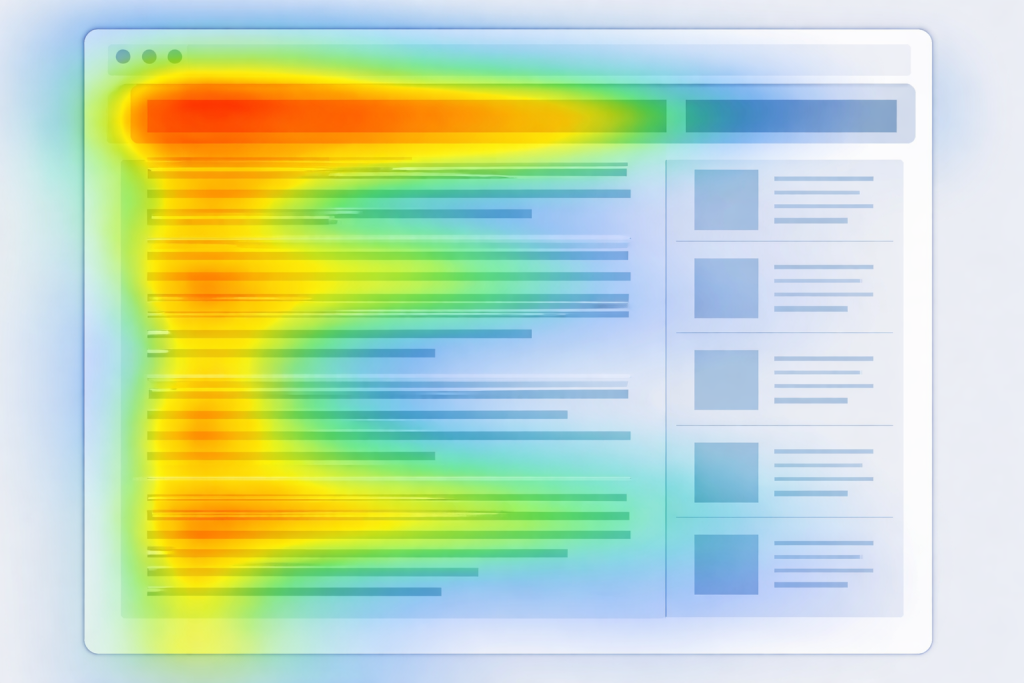
UX Hierarchy: How Users Actually Scan Pages in 2026
The year 2026 has ushered in a behavioral revolution in web design. For decades, designers relied on the reliable F-pattern and Z-pattern, which were essentially static maps of where eyes fell on…
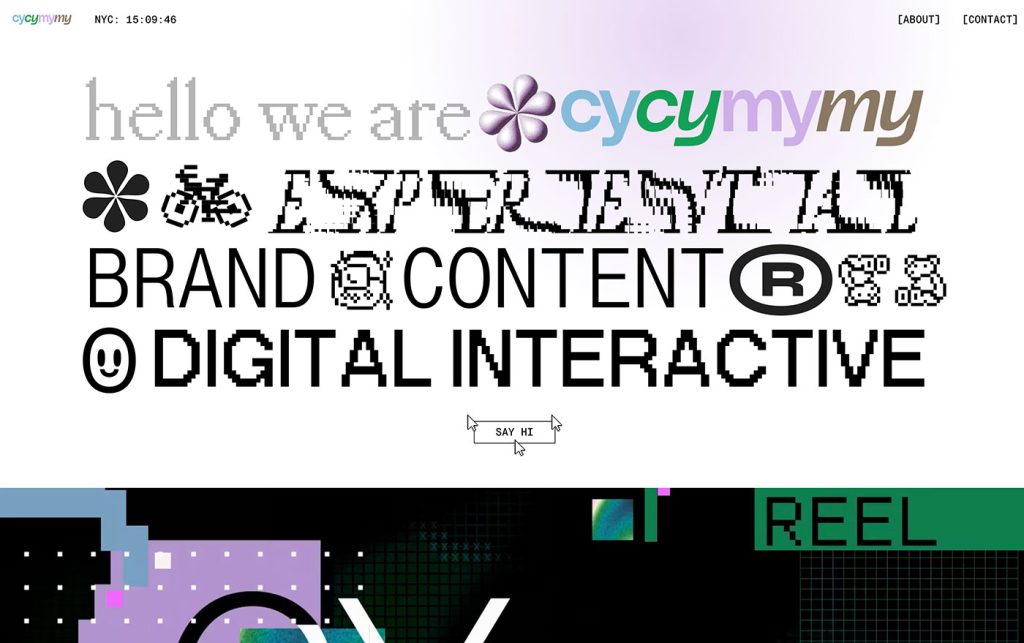
Not Useless: Why Experimental Websites Matter More Than You Think
Every once in a while, a site comes along that makes you pause, grin, and think: Wait—websites can do that? Maybe it’s a portfolio where the cursor morphs into a liquid blob,…

The UX Case Study of a Refrigerator
The refrigerator may be the most widely used interface on earth, yet it continues to operate with the quiet confidence of a product that has never once run a usability…

Stop Designing for Delighted Users (and Start Designing for Cognitive Strain)
For the last decade, the mantra of the UX industry has been a variation of the same theme: “Delight the user.” We have been obsessed with reducing friction, eliminating clicks,…
How Aspect Ratios Define Perception, Rhythm, and Flow
Designers talk about color, typography, and hierarchy constantly. But proportion—the silent structure beneath everything—rarely gets the same respect. Every card, photo, video, and module in an interface lives within a…