Your source for front-end development, performance optimization, frameworks, HTML/CSS/JS tips, Webflow/Figma-to-code workflows, and core web technologies. Focused on helping designers build faster, cleaner, more scalable sites.
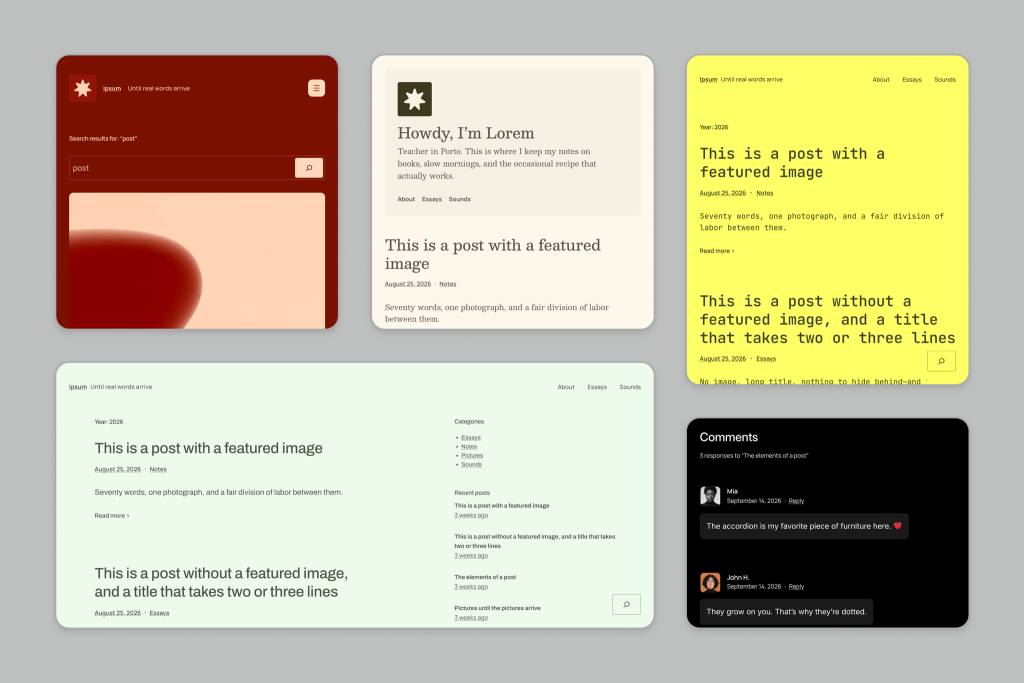
Today, WordPress Ended a 16-Year Tradition… Meet Ipsum!
WordPress just broke one of its longest-running traditions. Today, the WordPress team unveiled Ipsum, the proposed new default theme for WordPress…
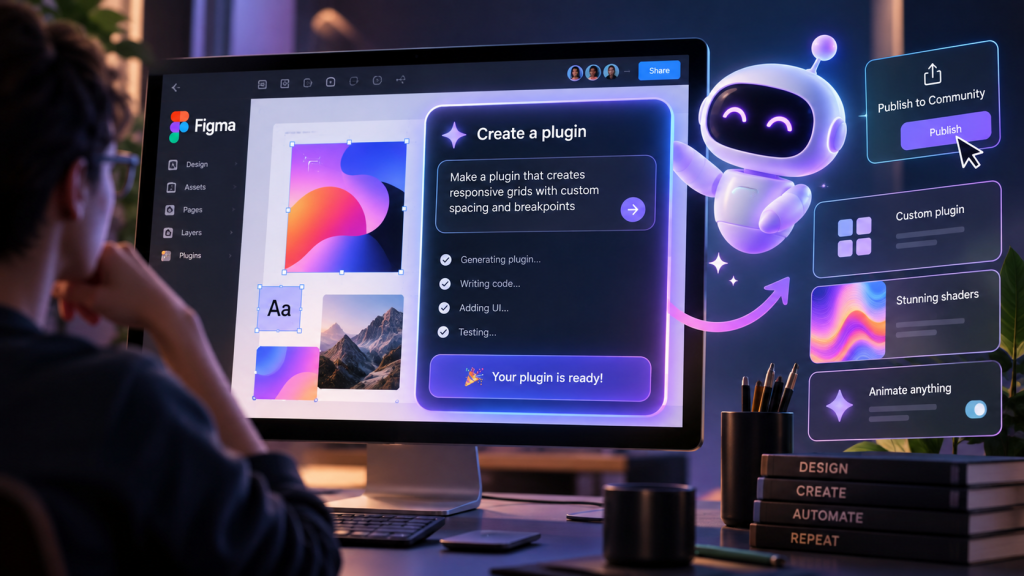
Figma Is Turning Designers Into Plugin Makers
For years, most designers looking to extend Figma followed a familiar software ritual: you had a problem, searched for a…

After 53 Years at Monotype, She Got the Ultimate Retirement Gift: Her Own Font
Most people retire with a card, a party and perhaps a watch nobody really wants. After 53 years working with type,…
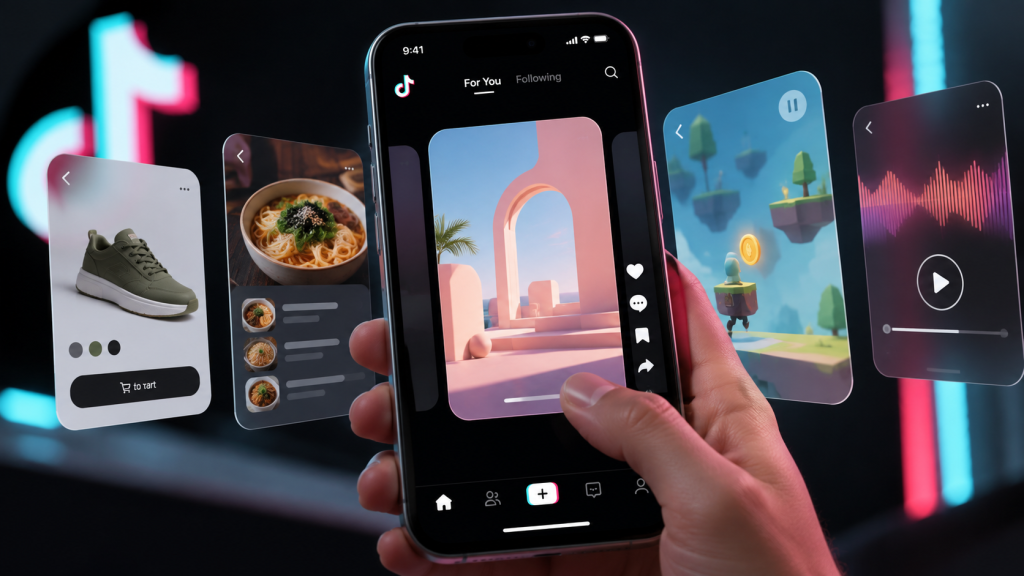
TikTok Is Quietly Putting Web Apps Inside Its App
TikTok is already where millions of people go to watch videos. But buried inside its developer documentation is something considerably…
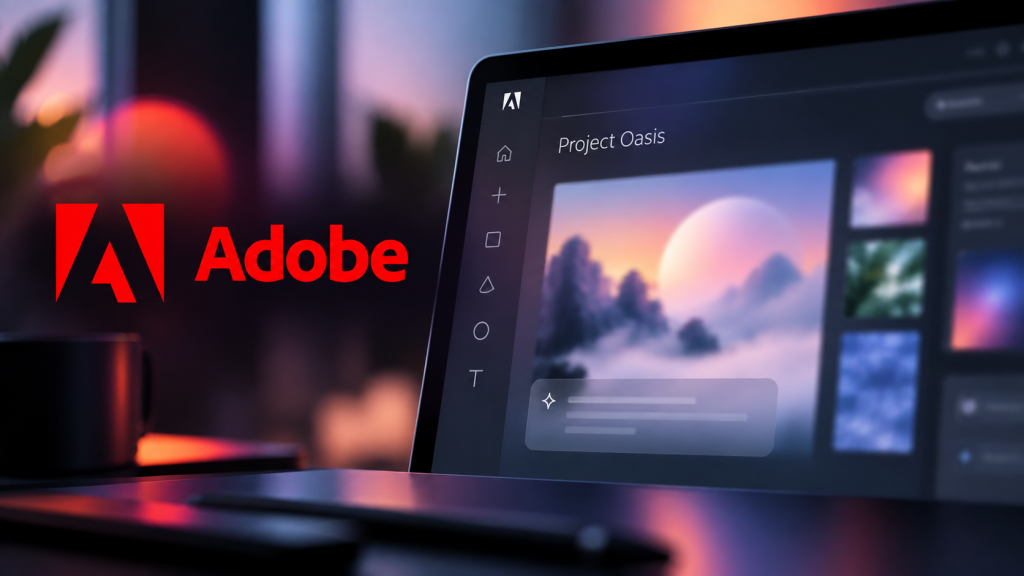
Adobe Has a Secret New Design Tool—and You Can Apply to Test It
Adobe is looking for designers to test Project Oasis, a mysterious web-based graphic design app that combines a “modern workspace” with brand-aware…

Figma is the New Dreamweaver: How Modern Prototyping Tools are Trapping Us in 2018
Look, I love Figma. If you’re anything like me, you probably spend eight hours a day inside it, neatly organizing…

The 2-Second Rule: How to make your website feel like magic in 2026
In the digital landscape of 2026, we have reached a fascinating crossroads. For years, we treated web performance as a…

Moving Beyond UX: The Rise of the Agentic Experience (AX) Designer
AX Design stands for Agentic Experience Design. It is an emerging design discipline focused not on creating human-facing user interfaces (UI), but…

The Digital Renaissance: Why 2026 is the Most Exciting Year to be a Web Creator
If you have been following the chatter on tech forums lately, you might think the web design and development industry…

The “Vibe Coding” Crisis: Is Web Design Becoming a Commodity?
The year 2026 will be remembered in the design community as the year the “Executioner” died. For decades, a significant…
7 Best Design Tools & Resources for Faster Web Builds in 2026
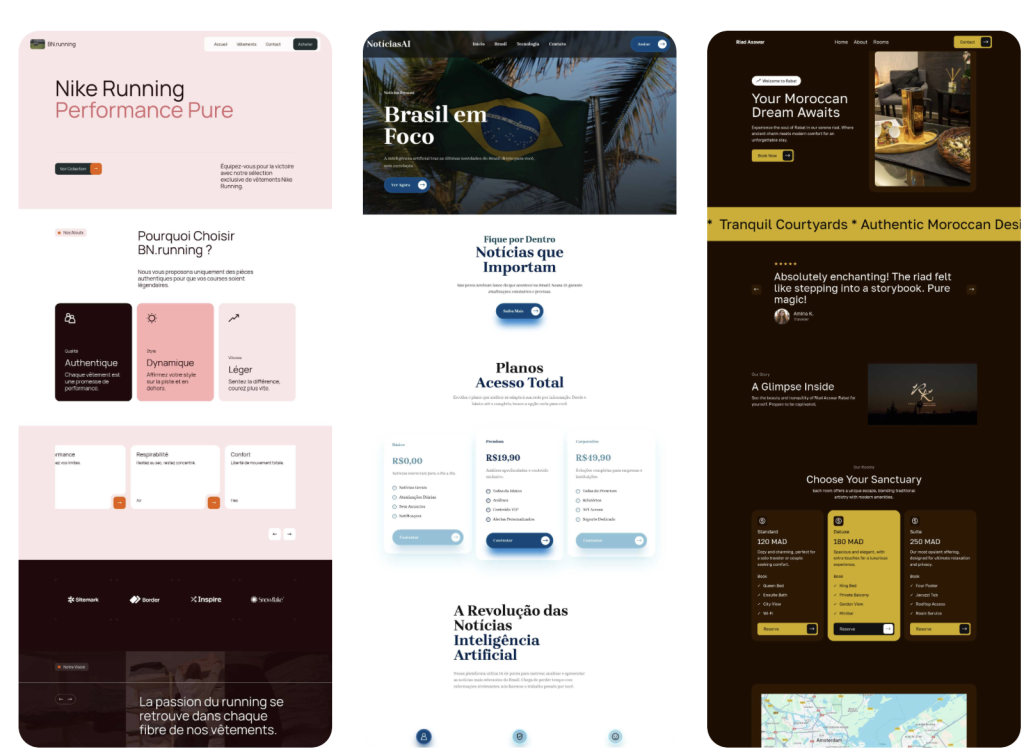
Best design tools and resources are those that can lay claim to characteristics that typically include ease of use and…
Not Useless: Why Experimental Websites Matter More Than You Think
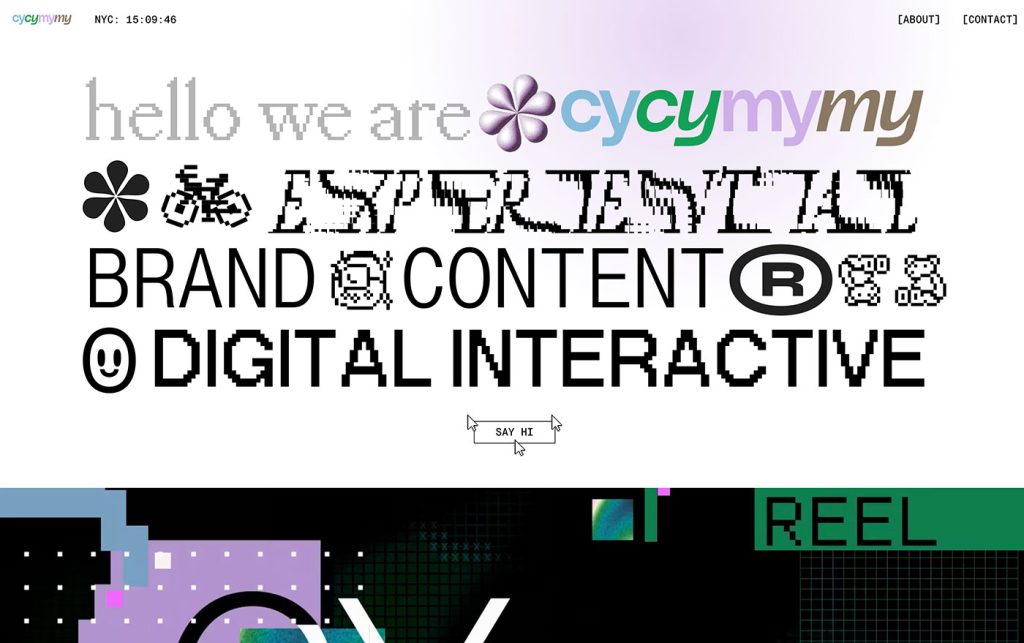
Every once in a while, a site comes along that makes you pause, grin, and think: Wait—websites can do that? Maybe it’s…

Product Thinking for UI Designers: Decisions Beyond the Pixels
For a long time, the industry treated design like a relay race. The Product Manager (PM) would run the first…
Pixel Nostalgia: Why We Miss the 90s Web (Even If It Was Ugly)
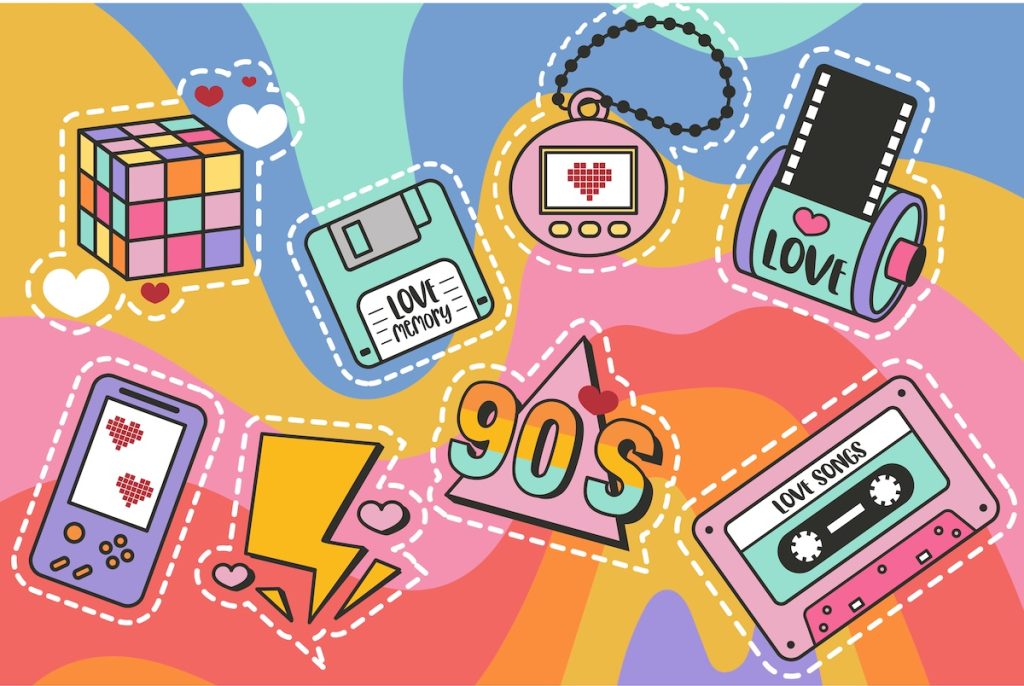
It’s easy to laugh at the 90s web now — the blinking GIFs, Comic Sans banners, table layouts held together…
How “Liquid Design” Broke the iPhone and Forced Apple’s Great Reset
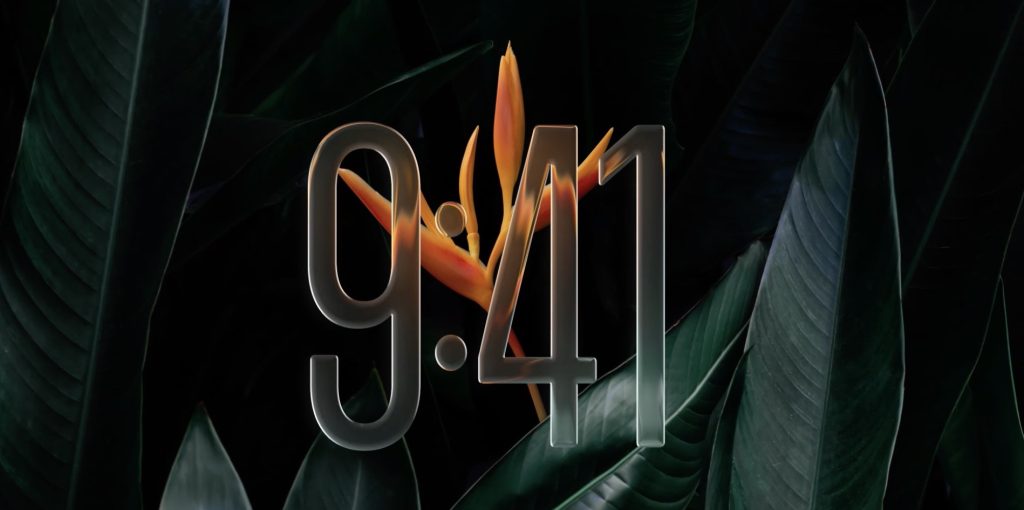
The launch of iOS 26 was heralded as a “Spatial Awakening.” Apple’s design team, led by the high-concept vision of Alan Dye,…
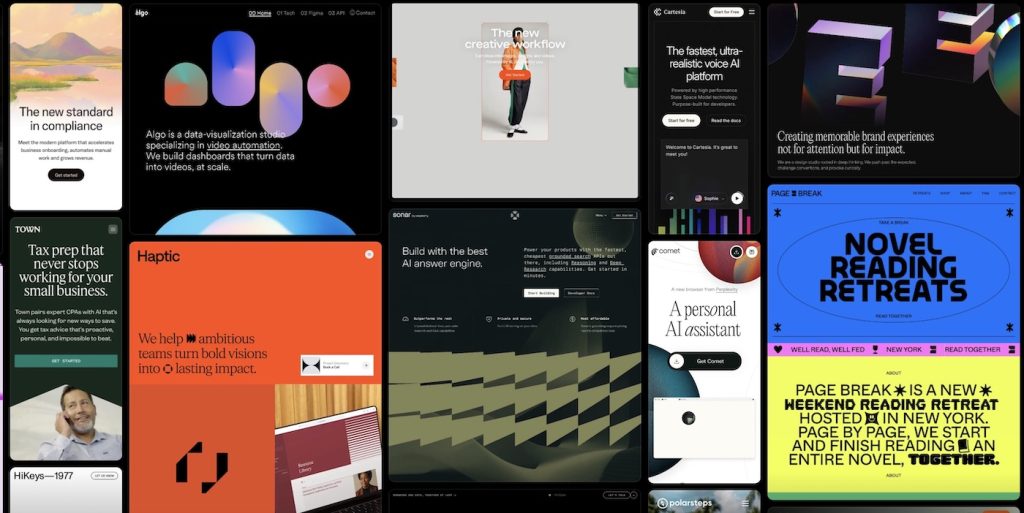
Framer vs. WordPress vs. Webflow: Who Actually Wins in 2026?
Every few years, the web design world crowns a new “ultimate platform.” Once upon a time, it was WordPress. Then…
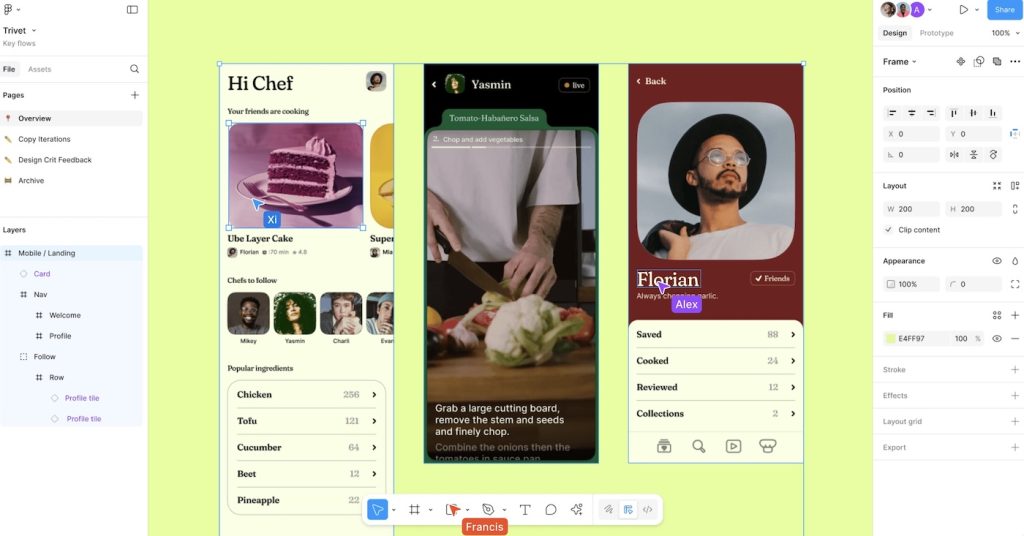
Density vs. Clarity: The Core Tension in Modern UI Design
Every generation of designers seems to rediscover the same paradox: the more information we can display, the less anyone can…
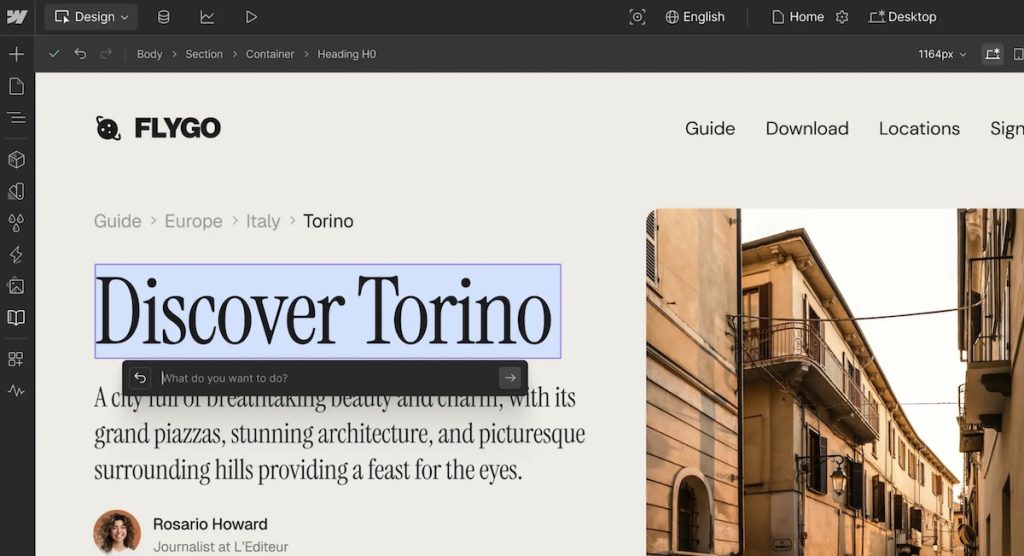
Why Webflow Isn’t the Future — Yet
Webflow has become the poster child for the no-code design revolution—a world where designers can “build for the web” without…