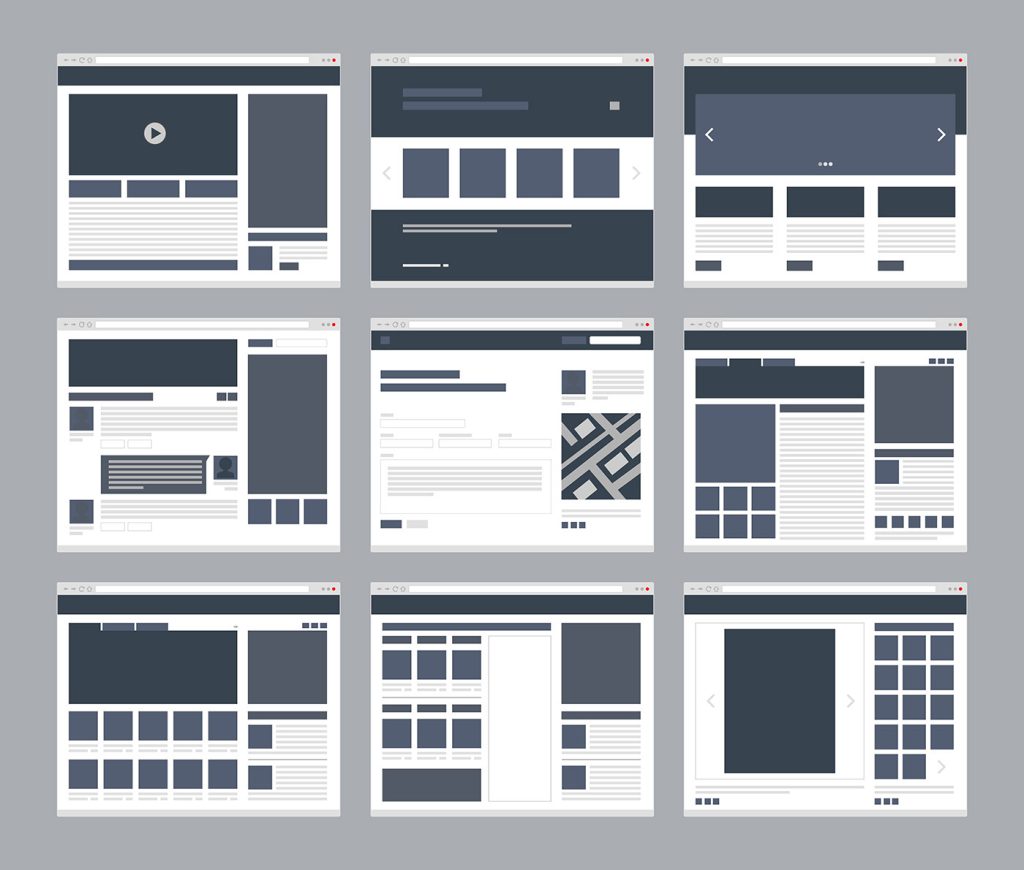
• 14 Jan

    I know, I know…none of us creative types want anything to do with coding past the very basic HTML/CSS we need to know to get our designs to the developers.

    Doing development is something for those programming grunts, those code jockeys, those geeks.

    Why should we enter the trenches of development when it’s so nice up here with the Photoshop brushes, afternoon tea, and MacPros? 

Because you’ll be a better designer for it.

    Skeptical? Read on and discover 6 reasons why designers should code…

    1. Better XHTML

    I’ve worked with and known many designers who knew only the bare minimum needed to get their designs out of Photoshop and into a web format. Oftentimes they would make use of a software program or plugin like SiteGrinder. While these programs keep getting better and better at making compliant code, they still don’t match the human-produced variety.

    Knowing how to write your own standards-compliant XHTML will make you a valuable addition to any web team (emphasis on the standards-compliant part). With all the fuss about PHP, ASP.NET, Ruby, and many other languages, people tend to forget that everything ends up being HTML in the end, because that’s what your browser has to have in order to render a page. The more you know about the medium you work in, the better you work in that medium.

    2. Better SEO

    And while we’re talking about standards-compliant code, we should mention SEO. This is a big buzzword, though not quite as much as it has been in the past. However, what this means is that SEO is becoming a much more commonplace idea of what a website should strive for, instead of just an added special feature for big business sites.

    If you can learn to write your own code, you’re much closer to being able to list “SEO Compliant Designs” on your sheet of available services. That means you can charge more, and it’s another badge on your hat.

    3. Better Accessibility

    Better code and better SEO = better accessibility. Part of of the job of any designer is to present information in a clear and coherent manner, and on the web that means not solely in a visual manner. A shoddily-coded website can be a nightmare to navigate if you’re blind, or even if you’re using a mobile device.

    Learning the ins and outs of developing code for accessibility not only allows you have that knowledge as part of your production skillset, but it will also help you to better understand the considerations you should take when designing for accessibility.

    Accessibility is a mandate for all government websites, nearly all education sites, and businesses are starting to see the value in it as well. The more people you can reach via your site, the more chance you have of accomplishing your goal, whatever it may be. And that has to be reflected in any successful design.

    4. Better Left Side

    Being a right-brained creative is great, but giving your left side a workout can spur on creativity of a different nature. The motto at the bottom of the WordPress website is “Code Is Poetry”, and this is because translating a written language to something that can be visually seen is truly an art form.

    Learning to write your own code opens up whole new avenues of expression. Developing your technical and analytical abilities can improve your information design, developing wireframes, and create a pathway to work with interaction design. And who knows, it may even improve your math skills!

    5. Better Communication

    It’s easy to get lost in the techno-jargon used by developers, simply because you may not have been exposed to the type of things they are discussing. Digging in and working with code yourself will allow you to become familiar with the terminology that is used when conversing about the construction of a site.

    Being able to speak the lingo will help when you need to communicate with a developer or project manager about how a design should be implemented.

    6. Better Design

    You can only do so much knowing the fundamentals of design. Typography, color theory, composition, etc. are all fantastic and extremely important skills to know (and know well)…but eventually if you want to excel in your creativity, you must learn the tools of the trade. Painters learn about canvas types, paint compositions, and bristle qualities. Web design is no exception. Learn to code: you’ll be better for it.

    Written exclusively for WDD by Ryan Burrell.

    Are you a designer that codes? Should all designers learn how to code? Please share your comments below.

  • 115 Comments »

     
    #1
    Brian K. James
    January 14th, 2009 at 5:21 am

    Hello all!

    Brian here. I’d like to say, that I agree completely on this subject. Being a visual person (visual in the sense of: “I need to ’see’ it in order to design it”), I started using CyberStudio’s GoLive, then Dreamweaver.

    If it wasn’t for my brother, I’d be a lot worse off. He explained that I really didn’t need Dreamweaver, and I could do it by hand, and then he showed me how. So, it being tough to give up anything you’ve been doing for any long period of time, I used what I had to learn what he had shown me. I used Dreamweaver to build the site, visually, then looked at the code it generated, and then tried it out on my own, without Dreamweaver, and was amazed.

    I went and got books on CSS, and found places online that had info on the subjects I wanted, and then I took it upon myself to learn as much as I could. Now, I either use TextMate or Panic’s Coda to assemble a site. I’m looking at Javascript and PHP, MySQL, and Ruby to learn soon.

    I feel so much better, and I do feel that I’ve become a better designer because of it. The more I learn the better I feel, and the more confident I am when I am talking to someone who’s looking at having a site built. When I don’t know something, I go ask someone, and I do my best to not sit in a “comfort zone”.

    My current site is old, but I’m hand coding a new one, and it won’t be long before it’s done. To see the new site, check this link:

    www[dot]briankjames[dot]com[slash]beta3

     
    1 Reply
     
    #2
    Codie
    January 14th, 2009 at 5:58 am

    Totally agree and is what I have just done during my summer holidays, it’s very rewarding when you code your first site and it’s something I’m not regretting. Not to mention it makes you more desirable over your competition, even if the skill isn’t necessarily required, it show you can think laterally as well as creatively .


    #3
    macias
    January 14th, 2009 at 6:33 am

    yep..4 me…i’m a graphic designer who is going deeper and deeper into the code. and like it.


    #4
    Mike
    January 14th, 2009 at 6:35 am

    I agree.
    I often get suggestions from traditional ad-firms that they will do the design, and I (i´m a designer but code as well) will code the HTML/CSS and so on. This is never a good idea!

    1) They are used to design brochures, booklets and ads. A brochure is not a website! And designs from ad agency’s tend to look like ads or brochures.

    2) They know little about how to structure a site and navigation architecture.

    3) They don´t code. They don´t know the limits and possibilities of the web.


    #5
    Raul
    January 14th, 2009 at 6:43 am

    couldn’t agree more


    #6
    Robin
    January 14th, 2009 at 7:16 am

    In my view, any web designer who wants to be taken seriously has to be able to code – simple as that


    #7
    Dundee Web Design
    January 14th, 2009 at 7:17 am

    Nice post.
    What is disheartening is how Graphic Design courses around our area have recently removed web-related modules prohibiting new designers learning these kind of skills.
    Furthermore, our local Web Development course is separated into either Design or Development after 2nd year.
    If this is set to continue, people with both design and development skills will be highly sought after and will increase the gap between individuals doing web development as a hobby\job or as a passion!


    #8
    David Hellmann
    January 14th, 2009 at 7:20 am

    I am Designer and i love XHTML / CSS / Wordpress!!

    xhtml and css are a “must have”


    #9
    insic
    January 14th, 2009 at 8:38 am

    Cool article. And yes I definitely agree with this. The thing is im a coder which trying to do designs. heheheh And its fun.

     
    2 Replies
     
    #10
    Brad C
    January 14th, 2009 at 9:48 am

    It’s funny I’ve always said that painters know their canvas and html is the web signers canvas. I was going to leave that comment before I saw that’s how you ended your post. The web has limitations and as you start to understand those you will be come a better designer. Well said.

     
    1 Reply
     
    #11
    Nachtmeister
    January 14th, 2009 at 9:54 am

    I’m also a designer. But I ever get my PSD to XHTML 1.0 Strict by me. Why? I hate when other people make crap Code with my Design.


    #12
    Carlos Hermoso
    January 14th, 2009 at 11:16 am

    I do agree with you. I do the design but also the code in my sites.
    You might have a look at my personal site for example if you want to see both, my design + programming skills:

    http://carloshermoso.com/


    #13
    Chris W.
    January 14th, 2009 at 11:43 am

    Not only should designers code, but they should understand usability and human factors.


    #14
    Andrew
    January 14th, 2009 at 11:50 am

    Another thing to add to the list is that it would lead to more efficient designs and loading times. A better understanding of these concerns would go a long way.


    #15
    onewerekings
    January 14th, 2009 at 12:02 pm

    Tooootally correct.
    I am (was) a web designer since 1996: I started coding by hands (actually because there wasn’t any wysiwyg editor) and then I quitted coding because of tendons problems. It happened that being far from the technical practice made me become an “average” web designer, not able any more to do cutting edge projects.
    And I also started suffering doing web design, while on the other hand I got passionate of print design.

    I now meet young kids web designers not knowing anything about coding and still I know, perceive and design much better than their young skilled uptodated minds do.

    Technical knowledge is essential to visual expression, especially to be innovative!


    #16
    Raymond Selda
    January 14th, 2009 at 12:10 pm

    Really great post! I strongly agree with all of the reasons above. One other reason why designers should code is that you will have the ability to code your own designs into a working template which you can sell or auction at various theme marketplaces around.


    #17
    AStine
    January 14th, 2009 at 12:26 pm

    As a designer with the desire to learn, maybe someone would be willing to layout what code a designer should know and any resources to learn from.
    Cheers


    #18
    DC Crowley
    January 14th, 2009 at 1:15 pm

    OK xhtml/ css – whew! I was afraid you wanted me to code PHP :D Just like Programmers cannot design – I don’t pretend to be able to program. XHTML/ CSS is good to learn for designers. Then they know what they are on about in webdesign imo


    #19
    Paul Sanduleac
    January 14th, 2009 at 1:35 pm

    I totally agree with that. I know very little basics of coding. I think i should learn a lot more than that. Thanks.


    #20
    Brenelz
    January 14th, 2009 at 1:58 pm

    I also agree. Except I am more the other way around… I have a stronger left side of the brain, and have to do graphics once in awhile to know where the designer is coming from.


    #21
    Steve J. Moore
    January 14th, 2009 at 2:05 pm

    Ryan,

    Since I am neither a coder nor a designer (perhaps ‘butcherer of html and css’ would be a fitting title for me) I can only comment with authority on your writing, which is great. I love reading your thoughts because your style is professional, but yet conversational. You maintain your own ideas, while still paying tribute to others’. Good work :-)


    #22
    Jason
    January 14th, 2009 at 2:33 pm

    Completely agree. Case and point: I just created my first from-scratch PHP loop to display thumbnails for an artist’s online gallery (literally, like 20 minutes ago–I’m still buzzing). I knew the concepts behind it, just learning and executing the actual syntax was the problem. Yeah, I could’ve easily done everything in HTML and handed it off, but when the PHP worked for the first time I actually jumped up and felt like (pardon the cliche) King of the World! You know that feeling?

    More importantly, though, having taken this step into PHP (just as the steps into HTML and CSS before) unlocks so many possibilities that were out of reach for me just a few days ago. And these possibilities (attaching data to the images, ability to implement a custom CMS, further separating data/structure, et cetera) are becoming increasingly relevant in the web of today.

    Know the code! (And then learn some more…)


    #23
    Dileep K Sharma
    January 14th, 2009 at 3:06 pm

    Yes, off-course you would have better control over these aspects while you are coding your design from scratch. however it doesn’t mean we can deny the role of WYSIWYG editors. Without the right tools and techniques I don’t think one could deliver a quick turn around time. Yeah.. that’s true. Its not even expected that you rely entirely on tools compromising the quality.

     
    1 Reply
     
    #24
    Andre
    January 14th, 2009 at 3:22 pm

    I began calling myself a web designer several years ago (mostly for the sake of “fake it till you make it”). It never occurred to me that the design portion didn’t necessarily involve coding. In fact, the first site I bookmarked when making my first design was A List Apart which never suggested that web design could be approached purely aesthetically. What separates a designer from everyone else with an image editor is usability&#mdash;and you can’t test for usability without a functioning prototype. It’s really terribly easy to mock up something that looks pretty but is impractical; something that looks cutting edge but is a nightmare to implement; something that breaks in the world’s most popular browser. A design that takes advantage of the way a user agent operates is less of a science and more of an artform. That being said, shouldn’t a web designer be an artist of the web?


    #25
    Aaron Irizarry
    January 14th, 2009 at 3:26 pm

    I have to agree.
    The more you know themore useful you can be, which leads to more work, and it doesn’t mean that you still can’t have a favorite. It also helps in working in a team environment better.

    Great Read.

    ~ Aaron I


    #26
    Rob
    January 14th, 2009 at 3:30 pm

    Nice. Now we need an article with the reverse. Developers should design! Or at least understand the logic involved. The psychology of color. The grid system. Kerning. etc…


    #27
    Deb Pang Davis
    January 14th, 2009 at 3:43 pm

    I completely agree and it took me some time to admit it to myself after getting advice from friends that I should just do mockups and hand it off to a coder who can handle pixel-perfect.

    There are so many details to web design and knowing how to code helps to identify and execute.

    I first learned on Dreamweaver and still do most of the time so I can easily see the relationship between the code and the display. I’m faster in DW because it is familiar and I spend more time in the code than the WYSIWYG because you really don’t get what you see.

    Pulling apart psd or fireworks mockups with notes to guide my coding approach works for me too. And when I have more time I try to use Coda.

    For having just one year of coding, I feel good and proud to exercise my left brain more often. Thanks to all those more experienced than I because without their knowledge and willingness to share I wouldn’t have come so far.

    Now I’m trying to learn more javascript on top of keeping code more lean. Baby steps.

    Thanks again for a great post.


    #28
    Dennis Meyler
    January 14th, 2009 at 3:55 pm

    Most of the designers I know, the successful ones anyway, don’t have the time.

    By the logic of this article designers should also know how to manufacture paper, make separations, run a four (or six or eight) color press, write their own ad, brochure, jingle and AR copy and while they are at it produce their own professional grade photographs and illustrations.

    Or, graphic designers can do what they do best and hire others to do the production. If your production people are telling what you can’t do it is time to find new production help.

     
    4 Replies
     
    #29
    Jim MacLeod
    January 14th, 2009 at 3:59 pm

    I like how your list ties together. If you do step #1, then you can achieve step #2, etc, etc.
    There’s a huge difference between a print designer and a web designer and that’s because someone who designs for the web knows how it’s going to be put together. In the past I was given a design and told to make it into a website. I then asked the designer “how do you expect me to do this?” He didn’t know web design, so he designed it as a print piece. It doesn’t necessarily work the same. Knowing both sides is a huge advantage.


    #30
    LumZor
    January 14th, 2009 at 4:54 pm

    Hi, I am a WebDesigner and i do code.

    Coding your designs makes you aware of what you are capable of.
    The more you code the better you get in layouting your next design.

    I agreee with “Coding is Poety”


    #31
    Alan Valek
    January 14th, 2009 at 5:15 pm

    I do agree—to an extent. I can do some coding & action scripting, but that whole web area is progressing like wild fire and there is no designer that will design this totally awesome site and then do insane coding, that’s when a team environment comes into play, that’s my opinion. Work together in a team and use everyone’s strengths, that’s when the best projects come out—look at any agency. If you do both things it’s not to say the website will be a pile, but something will suffer, it is a good idea by all means for designers to have an understanding of code. Hat’s off to programmers—that stuff is and will continue to get more difficult over time with all these browsers and phones now.

     
    1 Reply
     
    #32
    James
    January 14th, 2009 at 5:42 pm

    Great article. I wish it was as easy to go from coding to designing as it is from designing to coding. It takes designers a lot of practice to become good code writers, but I’m not sure if any amount of practice by a code writer would allow them to eventually produce the inspired works of a real designer (read: ‘artist’). Some genes just aren’t built into some of us :(


    #33
    zydrius
    January 14th, 2009 at 6:37 pm

    shame on me.

    But what books U can advice to start with for designer with interest in typography and photography to start learn html and css stuff. there are lot around, but there are good one. i want some easy yo learn and tender to build stuff.

    thanks.


    #34
    Chris W.
    January 14th, 2009 at 6:48 pm

    Whoever coded WebDesignerDepot should probably learn how to code. Yikes!

    Errors found while checking this document as XHTML 1.0 Strict!
    38 Errors, 25 warnings

     
    1 Reply
     
    #35
    Alvaro
    January 14th, 2009 at 7:18 pm

    Totally agree! Designers shold know how to code, the basics at least


    #36
    Michael Risser
    January 14th, 2009 at 7:38 pm

    Wow, great article. As someone who has been doing both design and development for over 10yrs, its always amazed me how many people who design web sites have no idea how they work. You’ve had to learn Photoshop or (insert other graphics program here) to do your job, why haven’t you learned (X)HTML/CSS as well?

    Knowing (X)HTML/CSS as a part of web design is, to me, as essential as knowing the different types of marks a pencil can make when drawing. Sure, you can do one without the other, but if you understand both, then you advance to a whole new level.


    #37
    Robert S. Robbins
    January 14th, 2009 at 7:51 pm

    You should study jQuery for CSS manipulation, AJAX, JSON, Firebug for troubleshooting all that, XSL (style sheets for XML), RSS (don’t forget Media RSS), Apache httpd.conf editing, MySQL database schema and SQL syntax, Yahoo! Widgets, ActionScript, web services, After Effects Expressions (based on JavaScript), and ASP.NET in at least two languages; C# and VB.NET.


    #38
    Sarah
    January 14th, 2009 at 7:59 pm

    I very much agree! I design and handcode. Yes, it is a lot to handle and you spend a lot of your free time learning and keeping up with new technologies for both design and development, but I think it is completely worth it.

    I definitely think that web design is an art. However, any type of design is about form and function. I think this is especially the case for web design: If a design is all about form and less about functioning code, it’s just not a good design. You have to understand how a site can be coded in order to design a realistic, accessible layout. That’s how I feel about websites designed completely in Flash, but that’s a whole other subject. To give a good example, I had a client who was a print designer. She designed a layout in InDesign that was based on using flowing columns and wanted to be able to update it herself, coding as little as possible. She was so dead-set on flowing columns, that she ended up spending more time doing updates faking it than she ever thought she had to. After a few months, the client scrapped the website altogether.


    #39
    Joel
    January 14th, 2009 at 8:21 pm

    We agree at our agency. We do still have a distinction between people that specialize in design and those that specialize in front end coding, but we require proficiency from everyone.

    Here is a similar post with different reasons from a while back:

    http://www.newmediacampaigns.com/page/ad-agencies-need-programming-partners


    #40
    Angels
    January 15th, 2009 at 2:41 am

    I do both design and I code. And I enjoy handcoding the XHTML/CSS after I design it. It’s a fun work :)


    #41
    xe.Ro
    January 15th, 2009 at 7:17 am

    nice post n i agree.. designer should know how to code.. atleast the basic.. i do both but i think i love coding more than designing.. :D


    #42
    John Furness
    January 15th, 2009 at 10:26 am

    I can say that knowing both has helped me in the past. In fact, I recently scored a job because of my ability to do both, even though coding was NOT a requirement. Like you said, it gave me the “edge.” It’s definitely worthwhile to know a bit of code.


    #43
    Liza
    January 15th, 2009 at 10:39 am

    Being able to do both is giving the site functionality and style at the same time. When a designer knows how to code and design it boosts whatever message they’re trying to get across even better.


    #44
    Abbas
    January 15th, 2009 at 11:13 am

    I hate to admit it but hand-coding sites is a secret love of mine. I just find something enjoyable about stringing CSS and HTML together and bring a site to life. Working out why things aren’t working etc.

    Starting out as a print-based designer I just knew i’d eventually end up design and building sites aswell so I just took it upon myself to learn.

    I’m always preaching to young designers, who get in touch with me, to learn new skills and not to fall into a comfort-zone.


    #45
    Rick
    January 15th, 2009 at 11:34 am

    It keeps surprising me this is still a subject of debate in some quarters.

    Designing a website without basic HTML/CSS coding is like designing a car as a 2-dimensional object. Sure, you can draw a car as seen from the side or front, and that drawing can be used as inspiration for the actual design of the car, but it’s just a drawing, not a design. And I’m not even talking about the engineering on the inside, just the outside.

    Designing a website in Photoshop is graphic design not webdesign. Webdesign includes code, otherwise its just a “drawing of a website”, not a webdesign. Basically, like any drawing, you’re “faking it”.

    All the arguments starting with “better” are accurate, but it’s much simpler to just reverse the argument:

    You can not design a website through graphics alone.

    (Of course that doesn’t mean that if you work in a team every webdesigner needs to know all the ins and outs of stuff like cross-browser compatible CSS. But unless you’re so amazingly awesome as a graphic designer your stuff is museum-worthy, you can’t be a web designer and not be able to code.)


    #46
    John Rockefeller
    January 15th, 2009 at 12:45 pm

    Hands down: If you’re working in web design, you should have at least a basic knowledge of XHTML and CSS. I’m not talking wizardry, here. Just enough to be able to make a valid table, put a few images in, and have a div layout.

    As a web developer, I regularly translate PDF documents into working XHTML and CSS, but that’s the one area of this job where the web developer and web designer collide. Whose job is that? On one hand I see them as a designer’s job because XHTML and CSS are part of the design area of a website. On the other hand, it isn’t “visual” which is where designers have their strength — it’s abstract, which is sometimes where programmers have a better time than designers.

    Remember, though, XHTML and CSS are NOT programming, they are tools for MARKUP (that’s what the M stands for in XHTML).


    #47
    gary
    January 15th, 2009 at 1:02 pm

    i agree.

    designers who code have a better understanding of the big picture.

    plus, there’s a great deal of satisfaction with bringing the design to life.. y’know, ‘handmade’..


    #48
    Mitchell
    January 15th, 2009 at 4:23 pm

    Typically when a team is asked to give an estimate of time, they often have a conceptual strategy in mind. Unfortunately a short window of time and a very tight budget is probably the hardest thing to effectively convey between teams upfront, but I am often baffled why it is so controversial. Especially, when almost every discipline of graphic design where layout is only as limited as the canvas permits them to be, successful design agencies will still require a grid to follow that is based on concept, functionality and strategical placement while being very sensitive to the press and overall budget. And although web development tends to have more constraints I have often thought that it is as possible to design a website that follows a grid to have the same potential of being just as exquisite as any “scenic route” approach while being far more attainable and cost effective.

    Many times the developers do not even see anything remotely close to even a sketched out wire frame until they are delivered an approved layout. Even worse, the concept can often changed completely after the contract has been signed but before development ever even knew about.

    The best solution would be a development team that designs or a design team develops.


    #49
    James Mason
    January 15th, 2009 at 5:47 pm

    i agree, designers should have at least a basic understanding of the way code works. Even if they dont need to know the full in an outs of languages


    #50
    Janko
    January 16th, 2009 at 6:33 am

    xHTML and CSS coding IS a part of the entire web design process, so I agree.


    #51
    Andrea Vargas
    January 16th, 2009 at 2:12 pm

    Good Article!!!

    I’m junior web designer.
    In my job, I had need to learn of the code for develop my tasks. It’s a few complicated learn and understand the code. but is very important for aspect as usability and navigation.

    Summary: the idea for our job are: Desing + Code + Usability


    #52
    Marko
    January 16th, 2009 at 3:57 pm

    Great article!

    I’m a graphic designer who’s used to designing on photoshop and handing my designs over to the production team for development. I’ve always wanted to learn how to code my own site as well as understand the big picture and why certain things don’t come out the way I planned. Not only that but it adds value to my designs and me as an employee. Which is a plus during review time.

    I plan to embark to the wonderful world of coding. Can anyone recommend any good books or sites to start me on my journey?


    #53
    AStine
    January 16th, 2009 at 6:28 pm

    I agree totally. Can anyone list their favorite resources for designer wanting to learn HTML/XHTML and CSS?
    Cheers


    #54
    Arun
    January 17th, 2009 at 4:00 pm

    Totally agree with everything you’ve said. It really bothers me when people call themselves ‘web designers’ when they can’t do the above.


    #55
    Diane Nardozzi
    January 17th, 2009 at 4:17 pm

    I’ve always been a designer/coder. I’m passionate about design but I think some people just have it and it flows so easily for them, so I made the decision a few years ago, professionally, to focus more on coding. I let the designers do what they do best, and I get to do the same. Having worked with many designers and having to translate their designs into working web pages/applications there is a BIG discrepancy between those who have coded and those that haven’t.

    No one is saying you have to become an expert in coding. I am saying you should know what you’re asking of your developers in terms of complexity, time frame, usability, etc. This is important to the business side, so it should be important to you as well. Until you try to code out your own web design, or application (within the same business constraints) you can’t really be sure of the implications of your design.

    Do it once or twice, get an idea of what its all about, and you’ll have everyone on your side. They’ll appreciate it, so will you. Win, win, etc.

    Just my thoughts!

    Diane


    #56
    Mirta Art Director in Rome
    January 18th, 2009 at 5:42 pm

    I’m a designer and a coder. I love to say markup coder.
    As you said at point 4, Wordpress use as tagline “code is poetry”. I wrote an article about it in my blog IMHO in which I talk about how markupcode became art.

    http://www.symbioticproject.com/art_imho/?p=1

    You may will like it.

    Anyhow I have to congratulate myself with you for your blog. It looks really cool (especially the footer).


    #57
    fesh
    January 19th, 2009 at 7:54 am

    XHTML + CSS + Jquery = awesome website.


    #58
    Nico
    January 19th, 2009 at 10:13 am

    Every Webdesigner shoud learn xhtml and css, ive learned it and i love it, and wordpress too


    #59
    Bjørn Friese
    January 19th, 2009 at 1:41 pm

    Super great reasons, makes me very happy that i took my time to learn xHTML and CSS.


    #60
    Salvador Ruiz
    January 19th, 2009 at 3:10 pm

    I totally disagree with this idea. Designing and coding are two complete different things. There are numerous standards that need to be fullfiled from both parts and its impossible for one person to be able to acomplish them all on their own.
    Also programmers and designers ways of thinking totally work on different ways. Im not saying one is better than the other. Im a programmer and im baffled as how designers are able to come up with defining the spaces/colors of a page.
    If one wants to acomplish a perfect standarized page you will always need of team of programmers/designers, since one can not take the place of the other.

    PD: Besides its not only coders and designers, dont forget about the DBA’s.


    #61
    Websiteking
    January 20th, 2009 at 8:49 pm

    Great article, thanks.
    Personally, I don’t know how a ‘Web Designer’ could even think about making a website without knowing at least a little bit about SEO (especially) and coding.

    I think knowing a little about SEO is probably most important because designing something that gives us a method of geting those H1 tags (etc etc) in is going to make a better website..a website that looks good and performs!


    #62
    Colin Wright
    January 21st, 2009 at 5:09 am

    The more I learn to code, the more I appreciate that it IS an art form, as much as anything else. It’s all about communication, and I wonder why analytical/creative geniuses like Massimo Vignelli aren’t taking up coding as part of their calling.


    #63
    Ganjipally
    January 21st, 2009 at 1:42 pm

    I agree… it is great article!


    #64
    John
    January 22nd, 2009 at 10:40 am

    Yes I’m agree with this.I am designer and also coding my composition.I love XHTML / CSS!
    Cool article!


    #65
    Nod
    January 23rd, 2009 at 1:22 am

    I design, I code, I rule 8)


    #66
    Saurabh Sah
    January 23rd, 2009 at 5:26 am

    Yes agree with u Ryan !!! nice post ….


    #67
    Shade
    January 24th, 2009 at 12:04 pm

    I’ve been a designer and a programmer both for many many years. Originally i was a programmer, i moved into design in order to make my websites and applications more appealing. At that point i got stuck in design, i loved it, i was amazing at it. Yet again, i was drawn back to programming in order to get my fantastic designs onto the web and into applications.

    In the past 17 years of my career i have worked with other designers that do not know how (or even understand the concepts) to program. Their inability to take in this necessary knowledge 99 times out of 100 resulted in absolute piss poor design, but even worse, absolute piss poor usability, which as we all now know is one of the most important elements of any website or application.

    Site note: No print designer should design for the web. Ever. When one does, they should be informed that they should never do it again.


    #68
    Joe Hickman
    January 26th, 2009 at 2:10 am

    I definitely agree with most of what you have to say here. Before I really got my hands dirty with coding past basic XHTML, my designs were pretty lame and boring, but now that I know what can be done, what tricks I can pull off with the design, I can finish my comps a lot faster and they’re more in depth as well.


    #69
    Daquan Wright
    January 31st, 2009 at 7:50 am

    I too agree that designers should code if you’re going into a medium where coding is expected to be learned…

    It’s also a new way to process information. Drawing and writing use both sides of your brain! :)

    I started off with xhtml/css. I fell in love with web design and quickly realized the efficiency of knowing your own code and what benefits it gives you over having to pay someone to do it for you, especially if you want to work within the field. These are simply markup languages, however. I advise designers to go above and learn to program (JavaScript/PHP) as well, it can only improve your skill set and make you more valuable. Struggling with material is apart of the learning process and although it may not be fun in the present, it’ll be a blast in the future.


    #70
    Kim Halbrook
    February 4th, 2009 at 4:52 am

    Yes, definitely—designers should learn to code as much as possible. A designer who codes can preserve every nuance of his design when in production mode. It’s like being both an architect and a builder. You design better because you know what you have to work with.


    #71
    sama creation
    February 7th, 2009 at 2:23 am

    Hello all!

    I’d like to say, that I agree completely on this subject. webdesigner should learn to code


    #72
    Leora
    February 11th, 2009 at 12:42 am

    I am coder who designs. I love writing PHP. I can tweak a page or my Word Press blog just as I want it to appear, when I want it to appear, because I know how to write and edit code. It’s impossible to fine tune the web without knowing code. Your tools would be too limited.


    #73
    Alassea
    February 11th, 2009 at 5:53 pm

    I’m a designer who codes and a coder who designs ;)
    And in my opinion you’ll get the best results when you do both. So I totally agree that webdesigners should code.

    I really don’t get it when a designer nothing wants to know of coding. If you don’t know what’s possible, how can you create an optimal webdesign?


    #74
    Nicole
    February 12th, 2009 at 8:11 pm

    I have been a designer and a coder for 4 years and I have to say being both is better than being one.

    I have met designers that don’t code and have asked me to code things that are unrealistic or even impossible with my knowledge. When I say I know 4 years of xHTML/CSS, they think I’ve been coding PHP and Javascript for those amount of years, which is not true. I am a beginner at both, but with frameworks and tutorials, I am learning.

    All designers need to be coders and visa versa. With that, you can optimize your design and coding with realistic expectations. It will enhance the design, the coding and the typography which is important.

    Summary of what I’m saying: Designers, learn how to code xHTML/CSS and Coder, learn how to design!


    #75
    KiT
    February 12th, 2009 at 11:06 pm

    I’m not a graphic designer but I do the coding part (for standard-compliant layouts for example). I also do ASP.NET with C#. Am I considered a designer as well? :)


    #76
    zul
    February 13th, 2009 at 2:02 pm

    I love the irony of #4 – The motto at the bottom of the WordPress website is “Code Is Poetry” – the wordpress source code is anything but poetry.


    #77
    Scott
    February 13th, 2009 at 8:27 pm

    Honestly I cannot understand how someone can be considered a web designer if they aren’t fluent in at least html and css. The modern web designer should also be quickly adding a javascript library to their toolkit.

    I worked with ‘web designers’ in the past who were really just graphic designers. Knowing the code totally changes how you design. It changes everything.


    #78
    Armano
    February 17th, 2009 at 11:39 am

    This article reflects on me why bec. a few years ago i’m a web designer. I create ideas, layouts and color scheme in photoshop. Unfortunately, not all the times you just sit there and design in photoshop. Your buddy, the coder, was absent bec. she got drunk. So, you got a nosebleeding bec. you need to code html, css and partly PHP. In the long run, youre a designer + a coder. Cool.


    #79
    Agora
    February 20th, 2009 at 9:17 am

    I agree that to be an ‘effective’ web designer you should know the basics of html/css. But becoming a ‘good’ designer’ took me years in University and many more in professional practice and that was as a graphic designer/art director.

    I love the web and I have been ‘designing’ web sites for teh last few years with developers. In this instance they code and I design. That is where our best skills are and, @shade – I know very well that print is not the same as web and I can still do both very successfully.

    This knowledge can still allow you to be a web ‘designer’ as opposed to a web ‘developer’. I think for me it is these terms that are confusing, if you are dealing with code I do not consider that design, although I do appreciate that this can be interchangeable – technically you are ‘writing’ code.

    As someone wrote above, when is the reverse going to happen. When are deveopers/programmers going to be asked to design (visuallly)? I hope for the sake of most clients it’s never. They are completely different skills and I have only met a couple good programmers who are what I consider to be good at design. And why should they be.

    The other thing that no one considers here is leverage. I gather that most here are ‘technicians’ and not business owners (other than self employed). Why do I want to spend a year (and some) learning more and more programming languages where that is not where my ‘natural’ skills are? I would rather pay someone who can do the work for me at a higher standard and in half the time. Next happy client here I come, that’s what I want, not to pat myself on the back because I can do it all by myself. That’s not business that’s ego boosting.


    #80
    Steve de Niese
    February 23rd, 2009 at 8:39 am

    I’m a web/graphic designer and also an AJAX PHP web developer. Among other things. I find that these two very different areas compliment each other amazingly and make it much easier to have a strong understanding of large projects, as well as getting good freelancing gigs.

    I always recommend people to focus more energy into their preferred area, but always be sure to work in both sides development/design system.


    #81
    David Sachs
    February 25th, 2009 at 12:28 am

    While it is true to say that knowing a bit about web technologies and coding makes you a better web designer, it is also uninteresting. A designer always has to understand the media to make the best use of it. This is true for any media, be it print, video, web or something else.

    Being good at graphic design is a talent and a skill, and not a simple one. A good designer brings together a variety of skills like layout, illustration, typeography, color under a watchful and critical eye. Balancing form, shape and negative space. Visually building themes, ideas, palettes.

    The web opens up several possibilities that may not be available in traditional media, like animation, interactivity, user interface design, elastic layout. And it also has limitations.

    So understanding the media and what it is capable of, and what it is not capable of, and how to best use it, is, of course, important, as it would be for any media.

    But, understanding and appreciating the media and knowing how to code HTML, CSS, javascript, and the like, are two different things. Do not confuse them. Good designers, even web designers, do not need to know how to code, no more than they need to know how to operate an offset press. There are services like psd2html, the SiteGrinder plugin, and service bureaus in India. Any of these can help a designer work in the web media.

    If you enjoy programming and want to pursue it, that is one thing. By all means, learn and grow and enjoy. But if you do not have an interest in coding, don’t bother. Anyone who tells a traditional media designer that they need to learn to code (against their will) to become a web designer is doing them a grave disservice. All of you who suggested that in this thread have given bad advice. Shame on you.

    If you want to design for the web, learn the limitations and potential of the media. Do that by designing for the web and using one of the web services, or the plugin. You’ll learn a lot through that experience. You’ll make mistakes but you will learn the media. Will you learn to code? No. But you’ll become an effective web designer.

    It’s very simple: To become a better designer, spend your time designing. To become a better web designer, spend your time designing web sites.

    Anyone who says that to become a better web designer you need to learn to code was obviously not listening to the question. A person who gives that answer doesn’t value good design. If you are designer, if you are able to make graphics speak and words leap off the page, then be proud of what you do because, in all honesty, it is a rare and wonderful talent. Practice and develop that wonderful gift you have.

    DS


    #82
    Daquan Wright
    February 25th, 2009 at 1:09 am

    Except when I see job opportunities online, the title “WEB DESIGNER” is often glued to adobe products, plus programming languages as well. Not as many had pure xhtml/css. At least if you want a job in it, coding makes you a more valuable person. If you’re just doing it for fun, then so be it, coding matters not. But I rarely see many employers seeking WEB DESIGNERS who can’t code.

    Not trying to be mean, I’m speaking on what I’ve seen that employers were looking for. Either way, do what you love and enjoy it, no matter the medium of course.


    #83
    David Sachs
    March 1st, 2009 at 8:03 pm

    Daquan,

    You are correct, but when a job is advertised like that they don’t actually want a person who can design, despite the job title, they are really looking for a _coder_.

    Do not be surprised if, after taking the job, they don’t want your design skills at all. Or want them minimally. The likelihood is high that the client would be just as happy (maybe happier) to get a very nicely designed Photoshop file from 99designs.com and have their newly hired “web designer” code it for them and help them maintain and build their website.

    DS


    #84
    Kids Wall Art
    March 7th, 2009 at 2:49 am

    Designers should know the basics of coding so they can fix problems when they come up. Unless you are a unique hybrid who can code AND design well, which is pretty rare in my opinion, designers should do what they are good at and know essential things about coding like titling pages a certain way for SEO benefit for example. If they want to build an e-commerce site, they should probably find a good programmer :)


    #85
    mikel
    March 9th, 2009 at 9:06 am

    I’m from the “old school” Graphic Design B.C. (before computers), and it was quite the adjustment making the switch from traditional lay-outs to graphic design using computers, and to web design. I was in the beta class at the University of Utah’s Graphic Design program in the early 90’s when I first heard the boot sound of the university’s PowerMacs. When the web came along, I thought how great it was to be a designer in this day and age. But I realized there were new sets of rules to learn, and ALOT of old rules that found its way out the door.

    Although I was reluctant to having to code my pages at first, I realized years later how important it was for me as an “older” designer (45) to compete with you young folks on here. Did I feel threatened? You bet your Britney Spears-loving behinds!

    I began “coding” my pages back in 93 (anyone remember PageMill?). Now that I’m proficient in XHTML/CSS, LAMP and AJAX, I am extremely thankful for the job I do and love, but NOT the pains of learning new skillsets and the lengths it took to get me to where I am now. I would add that though I use Dreamweaver, I was a hard-coder at first, so I could understand the syntax.


    #86
    John Cardwell
    March 13th, 2009 at 8:40 am

    Good article. I agree. What’s the difference between a canvas and a code editor. Really? I honestly tried to put the code down, but couldn’t. Now I just accept it. I feel I have to do twice the work to be any good at either, but it’s worth it. I’m totally glad I stuck with it.


    #87
    Buzzlair Voufincci
    March 13th, 2009 at 10:04 am

    i totally agree with this.

    graphic designer with coding skills are valuable to the marketplace.

    I started with coding first before i jump into the world of design and i love it.


    #88
    cancel bubble
    March 14th, 2009 at 12:37 am

    There’s a fantastic blog posting over at:

    http://flyosity.com/application-design/designers-who-are-technical-the-more-you-know-the-better-your-work.php

    That touches on this subject.


    #89
    Daquan Wright
    March 14th, 2009 at 5:33 am

    “Every time you learn something new, you elevate yourself. Learning programming will just make you a more valuable person to have around, thus you will be giving yourself more options.”

    Source: http://www.how-to-build-websites.com/javascript_tutorial/index.php

    Doesn’t fit every bill, but I do believe that is acceptable as far as becoming more versatile is concerned.


    #90
    StudioDino
    March 24th, 2009 at 10:54 pm

    Anyone who has the word ‘web’ on their job title should know how to hand code HTML, CSS and more. I’m amazed how some people could be so dishonest as to say, esp. during a job interview, that they know middleware programming like PHP, JSP, .net and can’t hand-core basic HTML to save their life. It’s a disservice to the company that hired them and to other level 3 designers who are spending additional time (long hours) correcting their code. I wish companies test the job applicants by asking them to hand write on paper a basic web page—gets them every time.


    #91
    Azad
    March 26th, 2009 at 7:18 pm

    Yes, agreed. Designers should have atleast basic level knowledge of HTML and CSS. Also, they should keep up with new CSS and Javascript presentational techniques.

    Azad


    #92
    overrated designer
    April 15th, 2009 at 1:52 am

    I agree, designers should code and work closely with the developer, since moving search boxes, navigation and block here and there – that look great on a mock-up – is a nightmare to slice or a even bigger nightmare to add for example PHP to.
    Be good friends with developers :)


    #93
    ZD
    April 17th, 2009 at 1:53 pm

    I couldn’t disagry more.
    By the logic of this article every coder should know how to design ???
    This two are totally different worlds – design and coding.Of course a designer should know basic css/html as a coder should know how to make a circle in photoshop but thats all they need to know.
    And it’s a very disturbing for me what I go to a job interview as a WEB DESIGNER and I need to know a little php,a little css,a little whatever.I am sure when a coder is hired they don’t ask them to know a little photoshop,a little illustrator and so on.


    #94
    Daquan Wright
    April 18th, 2009 at 12:18 am

    Coding goes hand in hand with web design, of course web designers need to know how to code.

    Coding is not the same thing as programming. Although any job will do whatever it takes to save money.


    #95
    app
    April 18th, 2009 at 6:15 pm

    Can you really call yourself a web designer if you can’t code the stuff you design? Isn’t that part of the requirements for that title?

    If you can’t code, you are just a graphic artist that designs web layouts….not a web designer.

    (and you should learn a little PHP too…includes are your friend!)


    #96
    Ben Sinclair
    May 5th, 2009 at 7:15 am

    Totally agree. There is nothing worse for a programmer when a designer who doesn’t know anything about code designs a website that isn’t going to work for the web format. It means extra work changing it to suit…


    #97
    Daquan Wright
    May 10th, 2009 at 7:47 am

    Does anyone think it’s OK to do web design as a freelance gig but work as a programmer full time?

    Those are really the things I love doing.


    #98
    John Rockefeller
    May 10th, 2009 at 8:23 pm

    Absolutely. I work as a web developer at my day job and also freelance on the side. I told my employer up-front when I was hired and I’m very open about work I do.

    If you haven’t yet spoken to your employer about your ideas, the best thing to do is plan what you’re going to say and go in there fully prepared. Ask for a small meeting and go over what you would like to do and see if they can fit it into your contract.

    Many employers could not care less as long as you don’t take trade secrets because having you work from home builds up your skills without them paying training hours.

     
    1 Reply
     
    #99
    Cephe Kaplama
    May 28th, 2009 at 4:36 pm

    I totally agree with this…


    #100
    Ramsez Stamper
    June 10th, 2009 at 5:34 pm

    This article pretty much covers it, though i think one item is missing.

    If a designer understands code or deals with programmers daily they learn one very important thing when it comes to web design.

    They learn how to slice graphics properly so CSS can be applied to easily convert their design into a functional site.

    Often times graphics are sliced incorrectly and the poor programmers have to hack their own code to make it work properly.

    So i most definitely agree. Designers should learn at least how to build their pages into html that is standards compliant and uses a separate CSS file.


    #101
    Tim Hill
    June 11th, 2009 at 8:27 pm

    I 100% agree. I think designers should at least know HTML/CSS/Javascript. Front end things that will directly impact your designs. Also, if you work with a particular system/developer who always uses the same languages for backend (say PHP) it’s helpful to know the basics for both compatibility and communication reasons.

    I also believe that developers should know the basics of design. For my job and my freelance work I need both design skills and front/back end coding skills. So knowing how to do both is necessary for me.


    #102
    K. Dobson
    July 22nd, 2009 at 6:35 pm

    I must say, I’ve only recently discovered this website, and I’m really loving what I’m reading here. Not only are the posts great and aimed directly at webdesigners – making me feel perfectly at home – the visitors continue to build on them and often start up some good discussions, which are a pleasure to read.
    Great stuff. Keep it up.


    #103
    ben
    August 19th, 2009 at 3:14 am

    better article,thanks better


    #104
    Dillon
    September 22nd, 2009 at 3:50 am

    I agree with this post.


    #105
    David
    October 31st, 2009 at 1:14 pm

    I would agree but for a different reason. As a web architect, I really do not want my designer to provide all the front-end code. I do want them to vet the designs to ensure that; 1) they are possible, and 2) give the business client a true example of what the site will look like (Instead of a static picture.)

    It could be the designers I work with but I do find a lot of designers do not really understand the web or how it functions. They give a lot of lip service to SEO yet the designs contradict this requirement.

    In all this is a very good post but I suspect that the really good designers already know how to code and are more than willing to work with the web architects to ensure quality and adherence to corporate standards. The remaining designers should go back to print work.


    #106
    Rick
    November 18th, 2009 at 7:17 pm

    I think this article overstates this need. I work in a 90+ person marketing company and have worked as freelancer and in smaller and bigger agencies. In my jobs there has simply never been the time for anyone to get involved with, let alone master, all disciplines. By this logic, designers should also ideally be photographers, illustrators, copywriters and account execs, as these skills are also intrinsic to creating effective communication.

    Being old may affect my views, but one person’s senility is another’s perspective. I did code line-by-line starting in 1995, I jumped on Dreamweaver the day it came out and like many others I learned how to make functional sites by picking apart the frequently messy code DW made. This was my gateway to javascript and CSS and yes I also work in Flash and even AfterEffects. So I’m not chained to a drafting board and t-square.

    However, I’ve never been expected to be proficient in all of these. Here we have video guys who worked at ILM and CNN, we have a department for just SEO, we have social media specialists and of course coders. Knowing the PRINCIPLES of coding and tinkering a bit is useful, just as talking to a print press operator helps you design for print. But my job is to be an authority on visual communication, consumer psychology, messaging, design history, color theory and the application of those across media. I’ll do the code for a site if it’s a little freelance job just as I’ll edit my own video and mix my own audio ONLY if there are not experts available.

    Yes, it’s great to understand how sites and emails are built and also how video is edited, grammar and language are constructed, and printers apply ink. But this is all to make you a better designer, not one of those rare creatures who can be an entire ad agency and production house between a single set of ears.


    #107
    Stacia
    November 19th, 2009 at 7:05 am

    Not to mention that at least a working knowledge of code helps you design for code’s limitations. I work with developers who use a strict framework of JavaScript and CSS, so knowing when a design could create new CSS helps them a great deal.


    #108
    Thaba
    November 19th, 2009 at 7:07 am

    I totally agree, the more you know your design tools the better you improve the design. How could you just say “Hey!! It looks great, but how does it function?”


    #109
    gr8pixel
    November 19th, 2009 at 9:01 pm

    I agree with some of the comments above. It is true that a designer should have a fair knowladge in HTML and CSS in order to produce a good website with web standards. Because I have experience working with great designers who has excellent design skills but not acceptable when it comes to web design due to lack of knowladge in grid based, pixel perfect measured layouts. So I think if they can spend a bit more time to polish up their HTML/CSS skills that would be really easy for both front-end and back-end developers.


    #110
    tsuris
    December 2nd, 2009 at 1:54 am

    I think it is good for designers to understand code but I don’t think designers should have to code or have to know it like a programmer. I went to school to do design, not computer science. Since I have no choice, I am trying to learn it. Every job wants the designer to know programming. It sucks.


    #111
    Chotrul Web Design
    December 14th, 2009 at 11:37 pm

    Yes, I totally agree with your article, and many of the comments. I too started off being able to design, and clicking on buttons in early versions of Dreamweaver. Gradually I learnt to hand-code and eventually web standards code. Now I can do it in my sleep. Yet I’d always thought of myself as a designer, a visual person, and thought I’d never get the hang of it.

    It’s very true what you say in your post about better code, better SEO and better accessibility.

    many thanks for sharing this ….


    #112
    Tanner
    December 31st, 2009 at 4:47 am

    Oh yea I agree! I started out as a coder and then moved on into design
    and am glad I took the time to learn HTML and CSS am now looking into jQuery and
    Wordpress


    #113
    Thomas
    January 18th, 2010 at 4:10 pm

    I would have to disagree. Being probably the only commenter here out of a gazillion comments who agree with the poster, I would have to take the opposite standpoint. I might be at fault, with that many competent designers and coders taking the opposite standpoint, and I surely will have a gazillion people against me.

    I hope still that you will allow me to put forward an argument or two against the mainstream here.

    I do not want to offend anyone here from the world of coding, by saying you guys can’t design – I am sure you do a pretty good job at it.

    Neither do I want to offend the design educated crowd who learned the code behind it, by saying you really aren’t techies and should leave the complicated stuff to professionals. I am sure you have learned the necessary on the way, and implement it to standards.

    Still, large-scale projects have a common denominator; role division. It is impossible for a complex project to incorporate all frontend contributors in one role.

    There is not one person in the world, who does a great job envisioning, visual-designing, information-architecturing, CSS-styling, coding and testing all in one. In many cases, and I have seen this in many organisations, the designers who code have the problem of justifying their design to themselves. There is noone to compromise or argue with. Thus, they end up thinking code, when they design, and thinking design, when they code.

    The truly innovative solutions occur when the designer pushes the edge of the technologically possible. This does not happen, when that person is himself/herself.

    And let’s not forget the interaction design, who does neither graphic design nor code it. That role is essential to the succes of a competitive online presence today.

    Therefore, in my view, the designers should not code. They should have the needed comprehension of the technological surroundings, in order to cooperate with professional coding roles in the project, but they should not be left with the coding themselves.

    Thank you for still listening to the opposite viewpoint, even though many may not like it.


    #114
    chok
    January 26th, 2010 at 5:36 pm

    Every designers must understand a minimum of html/css. But web designer != web integrator/developer.


    #115
    Kelley Thompson
    January 28th, 2010 at 10:03 pm

    As a web designer (who attempts to create graphic designs), I have to fall on the “agree” side of the argument.

    I absolutely agree that web design and graphic design are two wholly separate skills. I am continually amazed at many of the wonderful designs I see coming from the artist community. Wish I could do some of that stuff! I’m working on it daily, but I’m afraid I will never approach the talent many of you have! :)

    One thing that continually baffles me is when hiring companies advertise for a “web designer who can hand-code a website from scratch”. Then they list requirements such as “must know Java, PHP, HTML and CSS”. And THEN they want you to have a portfolio of your work. It is clear to me they really want a web developer (programmer) who designs websites (web designer) and the graphics that make it attractive (graphic designer). Apparently, they are not aware that the skills are night-and-day different! If you can do all that, you need to demand 3 times the salary, IMHO.

    That being said, I firmly agree that graphic designers who know how to implement their designs are far more valuable to any company. With all the designers contributing replies to this article, I am more than surprised that no one has yet mentioned the CSS Zen Garden website. Contributors are graphic designers who know how to code in HTML and CSS.

     
    Name (required)

    E-mail (required - never shown publicly)

    Web-site

    Your Comment (smaller size | larger size)

Home| Advertising| About| Contact

© 2010 All Rights Reserved