
1
The immediate challenge for smaller web design companies is how to attract new business and keep old clients in a downturn economy.
Customers are falling off of maintenance contracts and smaller businesses may not be looking to start a website right away.
Enterprise level clients are becoming more price-conscious. What can we do to make sure our collective heads stay above water in this tough climate?
Here are 10 tips to survive the economic downturn.
1. Contact Your Clients
Some businesses are actually afraid to contact their clients in a downturn because they don’t want to be the next casualty on their cost-cutting lists.
If someone is going to jump the boat, they’re going to do it anyway and a phone call from you may actually stop them from leaving rather than encouraging them. Call your past clients up, ask how their businesses are doing and ask them if you can help them out with anything that they may be considering on the web front.
Reinforce that your business is stable and you’ll be there for them.
2. Reinforce Your Value
When your potential clients sit down and plug in the math to justify an in-house designer versus an outsourced designer, the outsourced one will win every time.
No employment premiums, no benefits and no major ongoing costs once the project is done. If they are relying on in-house staff in other roles to maintain the website, chances are good that updates aren’t being done on time if at all.
Your services don’t cost your customers money, they save them money in the long run.
3. Look at Your Pricing
If you are noticing a lot of clients dropping off your roster and not a significant amount of new business, reevaluate your pricing plans and packages. Are they clear? Do they fall in line with what other web design companies are charging in your area? A quick market survey of other businesses in your area will tell you what you need to know.
While you should never compete on price, you should check once in a while just to make sure that your pricing isn’t way out of line with the competition.
Don’t make your pricing the lowest on the block either. You don’t want the clients that are looking for the cheapest game out there. Somewhere in the middle is where you want to be in order to attract clients and still make money.
4. Stay Profitable
It is just as important to make sure that you are making money as it is to ensure that your services are priced in line with the market. This rate calculator is an excellent gauge of how much you should personally be making based on your expenses.
If you aren’t there yet, or don’t think you will be there at your current rates, it’s time to reevaluate.
5. Choose the Right Add-On Services
We can all agree that add-ons are a great moneymaker regardless of economic times.
Make sure that you add services that you know you can provide; for example, you don’t want to turn yourself into a web hosting service if you only have very basic knowledge of web hosting.
Client pressure can often push us into business decisions like this that we just aren’t ready for. Outsource anything that you aren’t 100% comfortable with.
This is the time to consider adding social media to your roster. You can read more about it in our article here.
6. Don’t Use the Recession in Your Marketing
Not only will your message be dated when there is an upswing, this kind of marketing just reinforces the “don’t buy anything” reflex that businesses have during economic downturns.
People who want web design services base their buying decision on a combination of reputation, service, and price. Throwing extra concerns in just confuses the message.
7. Go after Larger Companies
Smaller businesses that aren’t financially viable to start with are the first casualties in a downturn.
You have to retool your model to go after, and keep, larger customers. Designing a site for a mid-sized company is the same as doing a site for a small business, with only some minor exceptions.
Upper management requires metrics to show the performance of the site, an easy enough thing to do since most of you are already set up with web analytics programs. Include the fact that you have reporting tools in your marketing message and larger companies will jump on board.
Keep in mind that larger companies will require more of your time in the design process than smaller companies and quote accordingly. Ask the company to appoint a project manager to deal with your company during site creation and maintenance so that their message isn’t diluted by various stakeholders. This way you spend less time defending project decisions and more time designing.
8. Form Strategic Alliances
Competition between web design businesses is usually friendly.
Call up a bunch of web design companies in your area and see if you can help each other out. You may have Flash skills that another company can hire you for. They may have more SEO experience than you do and they may be able to handle your SEO requests.
Just make sure that you bring something to the table so that the references aren’t all one-way.
9. Reduce Your Overhead
Make a list of the stuff that you currently pay for that isn’t 100% necessary for your business.
Ongoing costs like magazine subscriptions should be the first on the chopping block. After them, focus on items that save you money and help the environment, like going with a printer cartridge recycling service instead of buying new cartridges.
10. Focus on Staff
Reducing staff should be a measure that you only take if you think your business is in serious trouble.
While layoffs may be the order of the day for large businesses, smaller web design businesses should be focused on reassuring their staff and contractors that there will be continuing work for them. Talk to them and see if they want to work different hours, take classes to upgrade their skills or anything else.
While you probably can’t offer huge raises right now, flexible hours and free courses are great incentives for your staff that will keep them happy and working hard for you.
If you are the only “staff” at your business, don’t forget to take some time off yourself. A lot of web designers are in “panic mode” right now, trying to get as much work as they can. When you take on too much, your efforts are diluted and the quality of your work suffers.
Summary
There are a million small things that you can do to save money and stay viable in an economic downturn.
The most important thing that you can do is use this opportunity to develop good business habits, like paying attention to customer retention and keeping your expenses lean.
The things that you can do to help yourself and others out during a recession are usually the things that you should be doing in business all along – it’s just easy to forget about them when times are good.
Written exclusively for WDD by Angela West.
What other tips can you suggest to help cope with the tougher economy? How’s the economic situation affected your work?


7 Real Predictions for Web Design in 2026
Every December, design Twitter fills with lists of “hot trends” that sound like buzzwords generated by an algorithm: “AI-native ecosystems,” “metaverse-ready experiences,” “contextual design synergies.” But the truth is, 2026…

Drowning in Options? The Future Belongs to Curators, Not Creators
There’s never been a better time to be a creator — or a worse time to make a decision. Everywhere you look, there’s an explosion of options: apps for managing…
Blogging Is Dead. Long Live the Blog.
Let’s say it out loud: blogging, as we once knew it, is dead. That romantic era of handcrafted posts, quirky sidebars, and RSS feeds buzzing like bees in your browser? Yeah, that’s…

How AI Took Over Stock Photography
Once upon a time, photographers dreamed of landing the holy grail: passive income from stock photography. Upload a few well-lit shots of businessmen shaking hands, a woman eating a salad…
How AI Video Is Taking Over the Internet
For years, we thought video was the peak of online storytelling—painstakingly edited YouTube explainers, expensive brand commercials, polished Netflix-style productions. Then AI video swaggered in, ripped up the script, and…
The Coming War of AI Browsers: Why the Web Will Never Be the Same Again
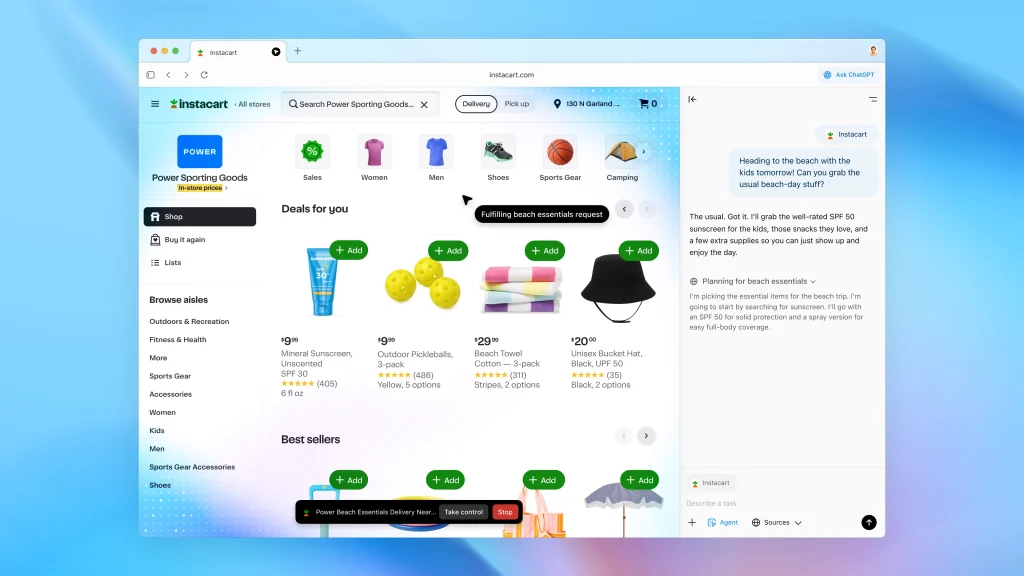
There’s a quiet revolution happening in the one piece of software you use every single day but rarely think about—the browser. Chrome, Safari, Firefox—they’ve been our windows to the web…